A good desk does more than hold a laptop. It shapes how a room works, affects how comfortable you feel while using it, and often becomes one of the first pieces people notice in a home office, bedroom, or living space. That is part of why vintage desks are so appealing. They bring function, but they also bring character.
A vintage desk can make a workspace feel warmer, more personal, and more finished. Instead of looking like something picked up quickly just to get the job done, it feels chosen. The wood grain, drawer pulls, proportions, and small signs of age all help create that feeling.
But buying one well takes more than finding a desk that looks nice in photos.
You need to know what style fits your space, what size actually works for the way you live, and what condition issues matter before you commit. Some vintage desks are excellent everyday work surfaces. Others are better suited to occasional writing or decorative use. Some offer generous storage. Others are compact and light on function. And because secondhand desks can vary so much in quality, a little inspection goes a long way.
If you have been thinking about bringing one home, here is how to understand the main vintage desk styles, choose the right size, and check the details that matter before buying. If you are comparing pieces from online listings, learning the basics of buying vintage furniture online can also help you judge condition, size, and seller details more confidently.
Why Vintage Desks Are Worth Considering
There is a reason people keep searching for older desks instead of automatically buying new ones. Vintage desks often offer a mix of qualities that can be hard to find in one piece today.
First, there is the character. A vintage desk usually has more visual depth than a basic new one. The wood may be richer, the lines more thoughtful, or the hardware more distinctive. Even simple designs often feel more substantial.
Then there is craftsmanship. Not every older desk is beautifully made, but many vintage pieces were built with stronger materials and better joinery than lower-cost furniture sold now. Solid wood, dovetail drawers, shaped legs, and sturdier drawer construction all show up more often in secondhand finds than people expect.
There is also the flexibility. A vintage desk can work in a dedicated home office, but it can also fit beautifully in a bedroom, hallway nook, guest room, or living area. Many people want a workspace that does not scream office furniture, and vintage desks are especially good at filling that role.
Most of all, they help a room feel collected. A workspace built around a vintage desk tends to feel more settled and less temporary.
What Counts as a Vintage Desk?
In furniture terms, vintage usually refers to something that is old enough to reflect the design language of an earlier period but not necessarily old enough to be considered antique. In most cases, that means roughly 20 to 99 years old.
That leaves a lot of room for variety.
A vintage desk could be a mid-century writing desk from the 1950s or 1960s, a heavier executive desk from the 1970s, or a smaller painted desk from the late twentieth century. It may have clean lines or more decorative details depending on the era and style.
That range is part of what makes vintage desks so useful to shop for. You are not limited to one look. You can find pieces that feel modern, traditional, rustic, refined, or somewhere in between.
Popular Vintage Desk Styles to Know
Not every vintage desk is built for the same kind of use. Some are roomy and practical. Others are slim and decorative. Knowing the general styles helps you narrow down what will work best in your home.
Writing Desks
Writing desks are usually the simplest option. They tend to have a flat top, relatively light visual weight, and limited storage. Some have one or two shallow drawers, while others have none at all.
This style is ideal if you want something that feels light and versatile. A writing desk can work well for laptop use, occasional paperwork, journaling, or as a multipurpose surface in a bedroom or living room.
Because the shape is often straightforward, they are also one of the easiest desk styles to mix into different interiors.
Pedestal Desks
Pedestal desks have a central kneehole space with drawer stacks or cabinet sections on either side. These are the desks many people picture when they think of a classic office setup.
They usually offer more storage and a more grounded presence in the room. If you need space for files, office supplies, notebooks, chargers, and other everyday clutter, a pedestal desk can make a lot of sense.
They are often better suited to larger rooms because they take up more visual and physical space than a slim writing desk.
Partners Desks
Partners desks are built to look finished on both sides, often with drawers or cabinet details facing each direction. They were originally intended for two people to work across from one another.
These desks are substantial and can be beautiful centerpieces in a room, but they need space. In a smaller office or bedroom, they often feel too heavy. In a larger room, though, they can look impressive and highly intentional.
This is usually not the best option if you only need a compact everyday desk.
Secretary Desks
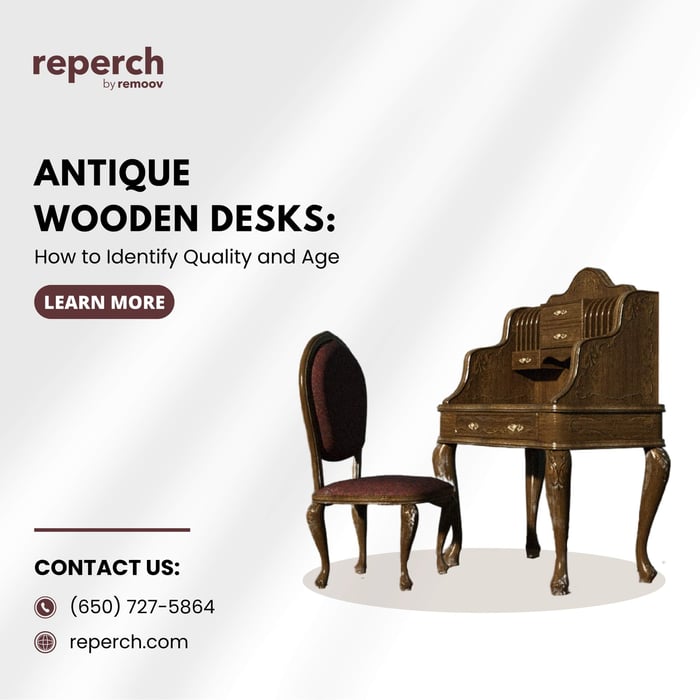
A secretary desk combines storage and workspace in one compact form. It often includes a drop-front writing surface and upper or lower storage compartments.
This style works especially well when you want a desk that can visually disappear once you are done using it. In a bedroom, guest room, or living space, that can be a huge advantage. It gives you a place to work without making the room feel like a full-time office.
It is especially useful for occasional laptop use, letter writing, or light admin work rather than larger monitor-heavy setups. For anyone who wants a desk that closes up neatly after use, a drop-front desk with hidden storage can be one of the most practical vintage options.
Mid-Century Desks
Mid-century desks are some of the most popular vintage finds because they are practical, attractive, and easy to live with. Many feature tapered legs, warm woods, streamlined drawer fronts, and relatively compact proportions.
These desks tend to work especially well in homes where you want the desk to feel like furniture first and office equipment second. They can blend naturally into bedrooms, living rooms, or small home offices.
Because they are in high demand, condition and price can vary a lot, so it helps to inspect carefully.
Small or Apartment-Size Desks
Some of the best vintage desks are simply the ones built for tighter spaces. Smaller writing desks, narrow drop-front desks, and compact kneehole desks can all work beautifully when square footage is limited.
If you live in an apartment, are creating a workspace in a bedroom, or need a desk tucked into a hallway nook, this category is often the smartest place to focus. A smaller desk can still feel stylish and substantial if the proportions are good, especially when you are planning a compact home office layout that needs to work within limited square footage.
How to Choose the Right Desk Size
Style matters, but size is what determines whether a desk actually works in your home.
Start With the Room
Before you get attached to a piece, measure the space where the desk will go. Look at the wall width, the room depth, and how much clearance you need around the chair. A desk may fit on paper and still feel too tight once you account for movement.
Think about nearby furniture too. If the desk is going in a bedroom, how close is it to the bed? If it is going in a living room, will it crowd the seating area? If it is going in a hallway nook, will it interrupt traffic?
A desk should feel like it belongs in the room, not like it was squeezed in because the finish was pretty.
Think About Surface Area
Consider what actually needs to sit on the desk. If you work from a laptop and keep things fairly minimal, you may only need a moderate amount of surface space. If you use a large monitor, keyboard, notebooks, desk lamp, and printer, your needs are different.
A beautiful small writing desk can quickly become frustrating if your work setup spills beyond its edges every day.
Pay Attention to Depth
Depth matters more than people expect. A desk that is too shallow may not support comfortable work, while one that is too deep can dominate a small room.
In tighter spaces, a shallower desk often works best visually, but make sure it still feels usable. The right balance depends on whether the desk is mainly decorative, occasionally used, or part of your daily routine.
Check Height and Chair Fit
Most desks fall within a fairly standard height range, but vintage pieces can vary. Make sure your chair will fit comfortably underneath and that the working height feels practical for how you sit.
This matters even more if the desk has drawers, side panels, or decorative rails that affect leg clearance.
What to Check Before Buying a Vintage Desk
A desk can look perfect in a listing photo and still be a poor buy. Before bringing one home, check the details that affect both function and long-term value. It also helps to know what matters most when checking secondhand furniture quality, from drawer movement and joints to materials and surface condition.
Stability
Start with the basics. Does the desk wobble? Does it sit evenly? Are the legs secure? A desk should feel solid when touched, not fragile or shaky.
Minor looseness can sometimes be repaired, but structural weakness is never something to ignore.
Drawer Function
If the desk has drawers, open and close every one. They do not need to glide like brand-new custom cabinetry, but they should work reasonably well.
Watch for sticking, sagging, misalignment, or signs that the drawer runners are worn down. Also check whether the drawers are actually useful in size and depth. Sometimes a desk looks like it has great storage, but the drawers are too shallow or awkward to be practical.
Surface Condition
A little wear is normal and often part of the charm. Small scratches, edge wear, or finish variation can make a vintage desk feel authentic and lived in.
What matters is the difference between cosmetic wear and real damage.
Look for water rings, veneer lifting, deep gouges, cracks, or soft spots in the top. Since the desk surface is the part you will use most, it needs to feel dependable.
Joints and Underside
Check the underside and interior structure if you can. Loose joints, poor repairs, or separating panels can affect how well the desk holds up over time.
The underside often tells you more about the desk’s quality than the polished top does.
Materials
Solid wood tends to be the most desirable and durable, but quality veneer can also be worthwhile if the structure underneath is good. Thin laminate, weak particleboard, or major veneer damage are more concerning.
Material affects not only durability, but also whether a desk is worth refinishing or repairing later.
Hardware
Knobs, pulls, keyholes, locks, and hinges all matter. Missing or mismatched hardware is not always a deal breaker, but it should be part of how you judge the value of the piece.
Sometimes changing hardware is easy. Other times it leaves visible holes or creates more work than expected.
Signs of Over-Restoration
Be careful with pieces that have been poorly refinished or altered in ways that hurt their proportions or character. Thick glossy finishes, sloppy paint jobs, or replacement parts that clearly do not belong can make a desk feel less special rather than more usable.
A desk does not need to be perfect, but it should still feel true to itself.
Practical Questions to Ask Before You Commit
When you are close to buying, ask yourself a few final questions.
Can this desk support the way I actually work?
Will it fit the room comfortably once the chair is in place?
Do I like the desk itself, or am I mostly responding to the styling in the photo?
Am I okay with its current condition, or am I secretly signing myself up for a restoration project?
Do I have a plan for cords, accessories, and storage if I use modern equipment on it?
A vintage desk should make your life easier and your room better. If it does only one of those things, keep looking.
Why Vintage Desks Work So Well Secondhand
Desks are one of the smartest categories to shop secondhand because older pieces often outperform cheaper new ones in both quality and appearance.
A vintage desk can give you better wood, better drawer construction, and better proportions than a flat-pack alternative at a similar price point. It can also make your workspace feel more intentional.
That matters because desks are highly visible furniture. They are often placed against open walls, near windows, or in corners that would otherwise feel empty. A desk with some age and character can help the entire room feel more finished.
And unlike some furniture categories where matching is important, desks often look best when they feel a little individual.
Why Reperch Is a Smart Place to Shop for One
A vintage desk is exactly the kind of piece that can make secondhand shopping feel worthwhile. It is practical, but it also shapes how a room looks and feels every day.
That is where Reperch fits naturally.
Instead of relying on generic office furniture, shopping secondhand through Reperch makes it easier to find desks with warmth, personality, and staying power. Whether you want something compact for a bedroom workspace, something clean-lined for a home office, or something more decorative that still feels useful, a well-chosen vintage desk can bring much more character into the room.
That kind of character is what turns a workspace into part of the home instead of just a functional corner.
Final Thoughts
A good vintage desk can do a lot. It can make a room feel more finished, give your workspace more personality, and offer a level of craftsmanship that is increasingly hard to find in lower-cost new furniture.
The key is choosing with both style and function in mind.
Pay attention to the desk type, think carefully about the size you actually need, and check the details that affect daily use. Look beyond the photo. Test the drawers, inspect the surface, check the stability, and make sure the desk fits the way you live now, not just the way you wish you lived.
When you get those things right, a vintage desk becomes more than a place to sit and work. It becomes one of the pieces that gives your home more depth, more usefulness, and more character.
And that is exactly what makes it worth bringing home.