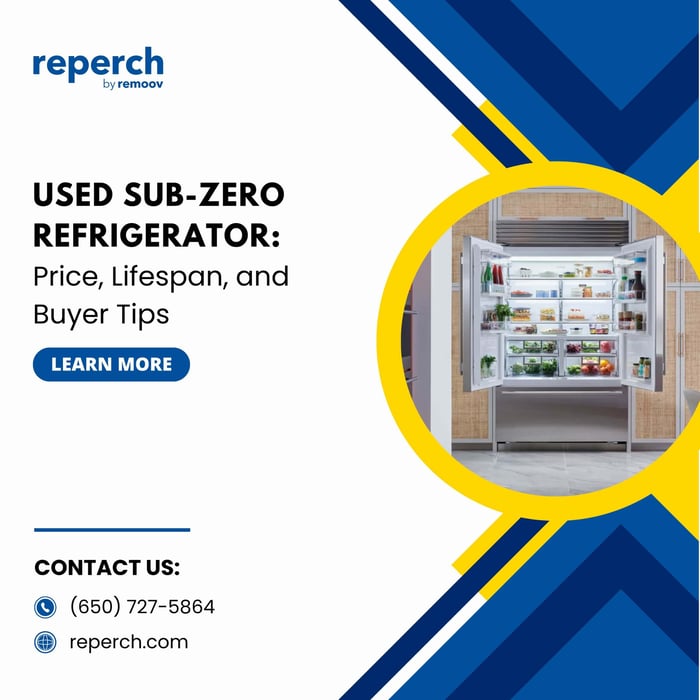
A used Sub-Zero refrigerator can be a smart option for homeowners who want premium refrigeration without paying the full price of a new appliance. Known for their built-in appearance, durable construction, precise temperature control, and long service life, these refrigerators often remain valuable even after years of use.
However, buying one secondhand requires more research than purchasing a standard refrigerator. The age, model, condition, repair history, dimensions, and installation requirements can all affect whether a particular unit is worth the investment.
A well-maintained used Sub-Zero refrigerator may continue working reliably for years. A poorly maintained model, on the other hand, could require costly repairs shortly after installation. Understanding used prices, expected lifespan, and common warning signs can help you make a more informed decision.
Why Consider a Used Sub-Zero Refrigerator?
Sub-Zero refrigerators are commonly installed in custom and luxury kitchens. Rather than standing away from the cabinets like traditional freestanding appliances, many models are designed to fit directly into surrounding cabinetry.
Depending on the model, features may include separate cooling systems for the refrigerator and freezer, air purification, humidity-controlled storage, adjustable shelves, and panel-ready doors.
These features contribute to their higher retail prices. Buying used allows homeowners to access the design and functionality of a premium appliance at a lower upfront cost.
A secondhand model can also be useful when replacing an existing built-in refrigerator. Appliance dimensions and cabinet designs change over time, so finding a new model that fits an older opening may be difficult. A compatible used refrigerator could reduce the need for extensive cabinet modifications.
Buying used also extends the working life of a large appliance. Instead of sending a functional refrigerator to disposal, another household can continue using it.
How Much Does a Used Sub-Zero Refrigerator Cost?
Used Sub-Zero refrigerator prices vary widely. The model, age, condition, size, location, finish, and repair history all influence the final price.
An older unit sold in as-is condition may cost under $2,000. A fully working refrigerator in good cosmetic and mechanical condition may fall between $2,000 and $5,000. Refurbished models are often more expensive because they may have been professionally inspected, repaired, cleaned, and tested.
Newer pre-owned integrated columns, French door models, and large side-by-side refrigerators may cost $6,000 to $10,000 or more.
A general used pricing guide may look like this:
Refrigerator condition | Estimated price |
Older model sold as-is | Under $2,000 to $3,000 |
Working unit in good condition | $2,000 to $5,000 |
Professionally refurbished model | $4,000 to $7,000 |
Newer pre-owned or open-box unit | $6,000 to $10,000 or more |
These figures should be treated as broad estimates. The lowest-priced refrigerator is not always the most affordable option after delivery, installation, repairs, and replacement parts are included.
What Affects the Price of a Used Sub-Zero Fridge?
Several factors determine the market value of a secondhand refrigerator.
Model and Size
Larger refrigerators generally cost more than compact models. A 48-inch side-by-side unit, integrated refrigerator column, or French door model may retain more value because of its capacity and original retail price.
Certain discontinued models may also remain valuable when they fit older built-in openings that are difficult to match with current appliances.
Age
Age influences both the purchase price and remaining service life. Newer models usually cost more, but the manufacture date should not be considered alone.
A 12-year-old refrigerator that received regular maintenance may be a better purchase than an eight-year-old unit that was poorly ventilated or never serviced.
Mechanical Condition
A refrigerator that reaches and maintains the correct temperature should be worth more than one with cooling issues.
Problems such as repeated cycling, unusual noises, water leaks, frost buildup, or error codes may indicate worn components. Sealed-system repairs involving the compressor, evaporator, or refrigerant lines can be particularly expensive.
Cosmetic Appearance
Scratches, dents, faded handles, and damaged exterior panels can reduce the asking price. Minor cosmetic wear may be acceptable when the refrigerator works properly, especially if the appliance will receive custom cabinet panels.
Included Components
Missing shelves, bins, handles, drawers, and mounting hardware can add unexpected costs. Buyers should check that the refrigerator is complete before agreeing to the price.
How Long Does a Used Sub-Zero Refrigerator Last?
Sub-Zero refrigerators are widely associated with long service lives. Many are designed to remain operational for around 20 years, while well-maintained units may continue working beyond that point.
However, there is no guaranteed lifespan for every refrigerator. Usage, kitchen temperature, ventilation, maintenance, installation quality, and previous repairs all affect longevity.
When evaluating a used model, do not simply subtract its age from 20. A 15-year-old refrigerator does not automatically have only five years of useful life remaining.
A unit with stable temperatures, clean components, strong door seals, and a documented service history may continue performing reliably. A younger appliance that has been neglected could develop major issues much sooner.
Current condition is usually a better indicator of value than age alone.
Confirm the Model and Manufacture Date
Before purchasing, ask for a clear photograph of the model and serial number label. This information can help you confirm the refrigerator’s age and find its original specifications.
The model number may be used to research:
Appliance dimensions
Door-swing requirements
Electrical specifications
Water-line connections
Installation clearances
Replacement-part availability
User and installation manuals
This step is especially important for older models. A seller may not know the exact age or may estimate it incorrectly.
Knowing the model number also allows you to contact a service technician before purchasing. A qualified professional may be able to confirm whether common replacement parts are still available.
Measure the Kitchen and Delivery Route
Measurements are essential when buying any built-in refrigerator.
Start by measuring the width, height, and depth of the appliance opening. Compare those measurements with the manufacturer’s installation specifications rather than relying only on dimensions supplied by the seller.
You should also measure the entire delivery route, including exterior doors, hallways, elevators, staircases, kitchen entrances, and tight corners.
Check the space required for the refrigerator doors to open. A unit may fit inside the cabinet opening but still interfere with a nearby wall, island, drawer, or appliance.
Ventilation must also be considered. Inadequate airflow can make the cooling system work harder, increase energy use, and contribute to premature component wear.
Because large built-in refrigerators are extremely heavy, professional appliance movers are often required. Confirm delivery and installation costs before completing the purchase.
Inspect the Refrigerator Carefully
Whenever possible, inspect the refrigerator while it is connected to power. It should be allowed to run long enough to reach normal operating temperatures.
Check whether both the refrigerator and freezer compartments are cooling evenly. Look for excessive frost, water leaks, moisture near the base, damaged wiring, rust, or oily residue around mechanical components.
Listen while the refrigerator is operating. Constant clicking, loud buzzing, grinding, or unusually frequent cycling may indicate a mechanical problem.
Open and close every door. The doors should align properly and the gaskets should create a firm seal. Loose or damaged seals allow cold air to escape and make the compressor work harder.
Inspect the shelves, bins, controls, lights, hinges, ice maker, and water dispenser. Missing or broken parts should be included in your cost calculations.
When shopping through a curated secondhand marketplace such as Reperch, review the product condition, listed dimensions, available photographs, delivery details, and return terms before placing an order.
Ask About Maintenance and Repairs
A refrigerator’s service history can reveal how well it has been maintained.
Ask whether any major components have been repaired or replaced, including the compressor, evaporator, condenser, fan motors, control board, thermostat, ice maker, or door seals.
Previous repair work is not necessarily a negative sign. Replacing an aging component can improve reliability when the repair is completed correctly.
The important questions are why the repair was needed, who performed it, which parts were used, and whether the original problem was fully resolved.
Also ask when the condenser was last cleaned. Dust, grease, and pet hair around the condenser can reduce cooling efficiency and place unnecessary strain on the system.
For an expensive used model, arranging a professional inspection may be worthwhile. A technician familiar with built-in refrigeration can identify warning signs that may not be visible during a basic inspection.
Calculate the Full Purchase Cost
Do not evaluate a used refrigerator based only on its listed price.
The complete cost may include:
Purchase price + delivery + installation + parts + repairs + cabinet modifications
For example, a refrigerator listed for $2,500 may initially appear affordable. However, professional moving, installation, a new water-line connection, replacement shelving, and minor repairs could raise the total significantly.
Custom panels may create another expense. A panel-ready refrigerator may come with doors designed for the previous owner’s kitchen. Those panels may need to be removed or replaced to match your cabinetry.
Calculating the full cost allows you to compare the refrigerator fairly with other used, refurbished, or new options.
Warning Signs to Watch For
Some issues should be investigated before making a purchase.
Be cautious when the seller cannot provide the model number, does not know the appliance’s age, refuses testing, or offers unclear information about past repairs.
Other warning signs include:
Inconsistent temperatures
Heavy frost or ice buildup
Water underneath the appliance
Loud mechanical noises
Damaged or loose door seals
Error codes on the display
Missing shelves and drawers
A compressor that runs constantly
A single issue does not always mean the refrigerator should be avoided. However, the likely repair cost should be determined and reflected in the purchase price.
Is a Used Sub-Zero Refrigerator Worth Buying?
A used Sub-Zero refrigerator can be worth buying when it fits your kitchen, operates properly, has a reasonable service history, and is priced according to its age and condition.
It may be particularly valuable when replacing a similar built-in model. Finding a compatible refrigerator can reduce the need for major changes to cabinetry, plumbing, or surrounding appliances.
The purchase may not be worthwhile when the refrigerator has serious cooling problems, unavailable replacement parts, an unknown history, or installation costs that eliminate the initial savings.
The best value is not necessarily the newest refrigerator or the cheapest listing. It is the appliance that provides the strongest balance of condition, remaining lifespan, kitchen compatibility, and total ownership cost.
Final Thoughts
Buying a used Sub-Zero refrigerator can provide premium cooling performance and built-in design at a lower cost than purchasing new. The potential savings are significant, but only when the appliance is carefully evaluated.
Confirm the model and manufacture date, measure the kitchen and delivery route, test the cooling performance, review the repair history, and calculate all delivery and installation expenses.
With careful research and realistic expectations, a well-maintained used Sub-Zero refrigerator can remain a valuable and dependable part of the kitchen for years.
The best time to buy may be when homeowners are remodeling kitchens, moving, or replacing built-in appliances, as more pre-owned models can become available during these periods. Instead of waiting for a specific season, monitor listings regularly and compare the complete cost of each option.