Shaker furniture has a way of feeling calm without ever feeling plain. It is simple, but not boring. Practical, but still beautiful. In a home filled with louder trends and fast furniture, Shaker style often stands out by doing less and doing it better.
That quiet appeal is part of why it continues to matter. Long after many furniture styles have come and gone, Shaker furniture still feels relevant because it is rooted in things people keep coming back to: honest materials, useful design, and craftsmanship that does not need extra decoration to prove its value.
For anyone shopping secondhand, that makes Shaker furniture especially worth understanding. A well-made Shaker table, dresser, bed, or chair can fit into all kinds of homes, from traditional spaces to modern interiors that lean warm and minimal. It can also be one of the smartest kinds of furniture to buy used, because the style was never about passing trends in the first place.
If you have been curious about Shaker furniture, this guide walks through what it is, where it came from, how to recognize it, and what to look for if you are thinking about bringing a piece home.
What Is Shaker Furniture?
Shaker furniture is a style known for clean lines, practical design, and restrained detail. It is often made of solid wood and built with a strong focus on usefulness rather than decoration. The look is simple, but that simplicity is deliberate.
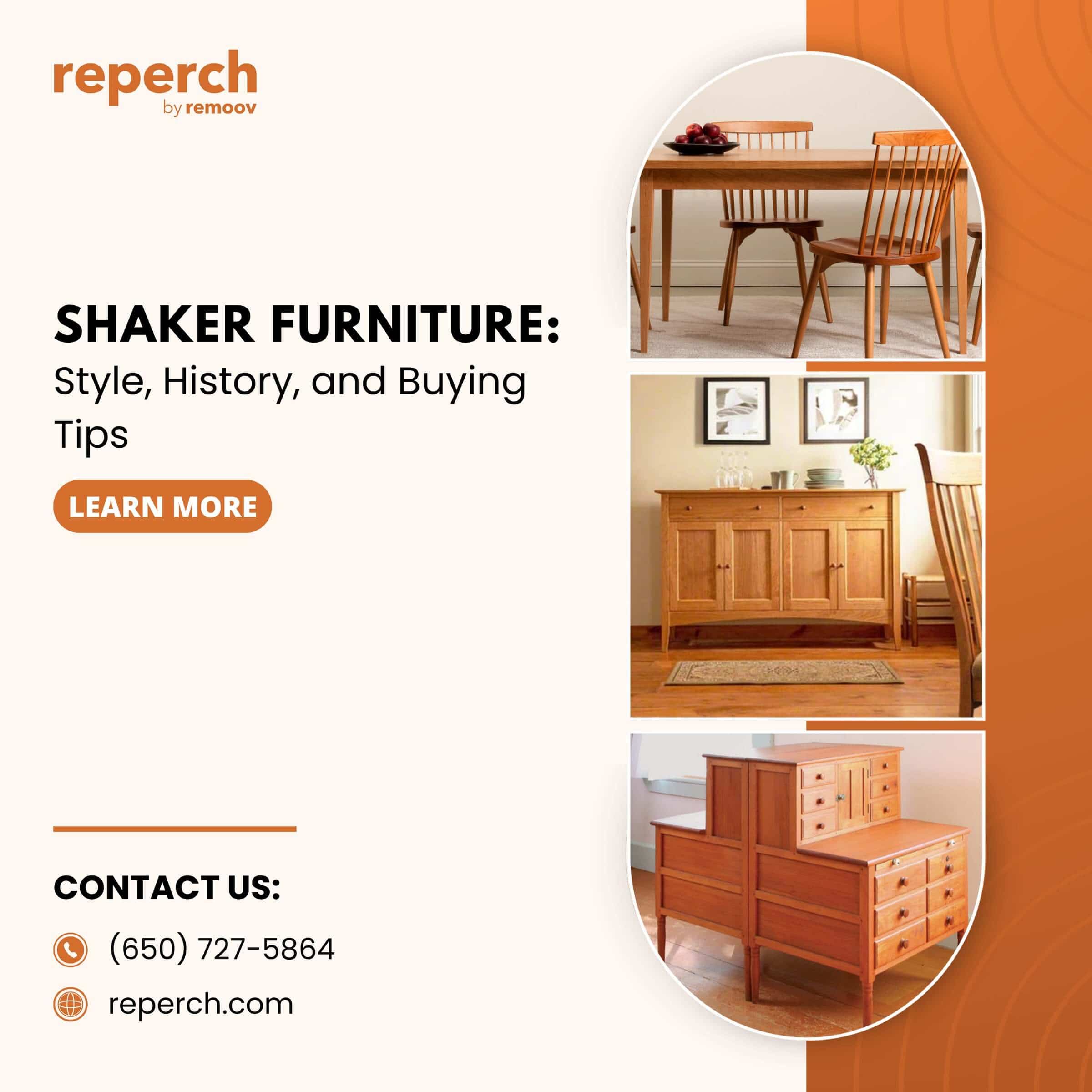
You will often notice straight or gently tapered legs, flat-panel construction, subtle curves where comfort matters, and modest wood knobs instead of flashy hardware. Nothing feels added just for show. Every part of the piece is there for a reason.
That is what makes Shaker furniture different from styles that rely on carving, ornament, heavy trim, or dramatic silhouettes. A Shaker piece is usually more interested in proportion, balance, and function than in trying to impress at first glance.
And yet, the best Shaker furniture does impress. It just does it quietly.
Where Shaker Furniture Comes From
To understand the style, it helps to understand the people behind it.
Shaker furniture came from the Shakers, a religious group formally known as the United Society of Believers in Christ’s Second Appearing. They settled in America in the late eighteenth century and built communities centered on work, order, simplicity, and shared life.
Their furniture reflected those values.
The Shakers believed that objects should be well made, useful, and free from unnecessary ornament. They saw beauty in utility and believed that making something carefully was part of living faithfully. That philosophy shaped everything they built, from chairs and cupboards to tables and storage pieces.
Because of that, Shaker furniture was never meant to be trendy. It was meant to work well, last a long time, and serve daily life without excess. Ironically, that is exactly what helped it become timeless.
Why Shaker Style Still Feels So Current
Some furniture styles stay tied to one era. Shaker furniture does not have that problem.
It works in traditional homes because it has history. It works in modern homes because it is clean and uncluttered. It works in collected interiors because it mixes easily with older and newer pieces. It also works in smaller spaces because the shapes tend to be visually light and functionally efficient.
That flexibility is a big reason the style has lasted.
Shaker furniture also feels especially relevant now because so many people are trying to simplify their homes. Instead of filling rooms with overly designed furniture, they want pieces that feel grounded, useful, and well made. Shaker style meets that need naturally.
It can soften a modern room. It can bring order to a busy one. It can make a home feel calmer without making it feel empty.
The Main Features of Shaker Furniture
If you are trying to recognize Shaker furniture in the wild, there are a few details that show up again and again.
Clean, Straightforward Lines
Shaker furniture is rarely fussy. The lines are usually straight, balanced, and easy to read. Even when there is a slight curve, it tends to be there for comfort or proportion rather than decoration.
That is one reason the style layers so well with modern interiors. The shapes are simple enough to feel current without losing their historical character.
Tapered Legs
Many Shaker tables, chairs, and case pieces feature gently tapered legs. They are not overly turned or heavily carved. They simply narrow in a quiet, elegant way that keeps the piece feeling light and practical.
Wood Knobs and Modest Hardware
Instead of ornate brass pulls or decorative handles, traditional Shaker furniture often uses simple wooden knobs. They are functional, understated, and in keeping with the style’s overall restraint.
Solid Wood Construction
Historically, Shaker furniture was made from local woods like maple, cherry, pine, and other durable species. That emphasis on honest materials remains one of the style’s biggest strengths.
Today, this matters a lot when buying secondhand. If you find a true solid wood Shaker-inspired piece, it often offers much better long-term value than newer furniture made from cheaper materials.
Useful Storage and Thoughtful Design
Shaker furniture is practical at heart. Drawers are placed where they make sense. Shelves are there to solve real needs. Proportions tend to support use as much as appearance.
This is furniture designed to serve daily life, not just stage a room.
Common Types of Shaker Furniture
Shaker design shows up across almost every major furniture category, but some pieces are especially associated with the style.
Shaker Chairs
Shaker chairs are among the most recognizable examples of the style. Many have ladder-back forms, woven seats, and slim, tapered legs. They are light in appearance, but often surprisingly sturdy.
Because they were designed with function in mind, they tend to be comfortable, practical, and easy to move around. That makes them great secondhand buys if the joints and seat are still in good condition.
Shaker Tables
Dining tables, side tables, coffee tables, and writing desks all work beautifully in Shaker style. The best ones tend to have clean tops, strong joinery, and simple bases that do not compete for attention.
If you are already comparing timeless pieces for your space, it also helps to understand the different types of tables for the home and where a Shaker table fits best.
Shaker Dressers and Storage Pieces
Dressers, cupboards, nightstands, sideboards, and storage cabinets are some of the strongest categories to shop secondhand. Shaker-inspired case pieces often offer exactly what people want today: useful storage, clean design, and materials that age well.
If you are browsing pieces for organization, it is worth knowing what to check before buying a used storage cabinet because many of the same structural details matter here too.
Shaker Beds
Shaker beds tend to be simple and beautifully proportioned, with straightforward headboards and footboards that do not overpower the room. They are a strong option for anyone who wants a bedroom to feel calmer and less overdesigned.
Shaker Furniture vs. Similar Styles
One reason people get confused about Shaker furniture is that it shares some ground with other simple wood furniture styles.
Mission furniture, for example, is also practical and solid, but it usually feels heavier. It often features thicker lines, exposed joinery, slatted sides, and a more grounded, substantial look.
Farmhouse furniture can overlap too, especially in homes that use painted wood and simple forms. But farmhouse style often leans more casual and decorative, while Shaker style usually feels more disciplined and refined.
Mid-century furniture shares Shaker’s interest in clean lines, but the two are still distinct. Mid-century shapes tend to be more sculptural, more design-forward, and often more experimental. Shaker furniture stays closer to function and restraint.
Why Shaker Furniture Is a Smart Secondhand Buy
Some furniture styles are hard to shop used because wear ruins the look. Shaker furniture usually handles age better.
That is partly because the style was never about flawless surfaces or trendy finishes. A little wear on a Shaker table or dresser often reads as character rather than damage, especially if the construction is still strong.
The other reason is quality. Many older Shaker-inspired pieces were made from solid wood and built with better standards than many lower-cost new pieces today. If you buy well, you may end up with something that looks better, lasts longer, and feels more grounded in your home than a flat-pack alternative ever could.
Secondhand shopping also suits Shaker style philosophically. The furniture was made to be useful and lasting. Reusing it feels aligned with that spirit.
What to Check Before Buying Shaker Furniture Used
A simple design can hide problems just as easily as it can hide strength, so it is still important to inspect carefully.
Look at the Joinery
Shaker furniture often depends on craftsmanship more than ornament, which means the joinery matters. Check drawer construction, leg connections, corners, and underside supports. A piece should feel sturdy, not wobbly or patched together.
Confirm the Materials
Solid wood adds a lot of value. Thin veneer, swollen edges, or particleboard construction usually mean the piece is more decorative than durable. Since Shaker style looks so simple, material quality becomes even more important.
Test the Drawers and Doors
Dressers, nightstands, cupboards, and cabinets should open and close properly. A sticking drawer or slightly uneven door is not always a deal-breaker, but multiple problems usually point to bigger alignment or wear issues.
Check for Water Damage and Warping
This matters with all wood furniture, but it is especially relevant with simple styles where every line is visible. Warping, swelling, or bowing can disrupt both appearance and function.
Pay Attention to Repairs
A secondhand piece may have been refinished or repaired, and that is not automatically bad. Just make sure the repair feels solid and honest. Good Shaker furniture should still feel dependable, not fragile.
How to Style Shaker Furniture in a Home Today
One of the best things about Shaker furniture is that it does not need a fully period-specific room to work.
A Shaker dresser can look beautiful in a quiet modern bedroom with linen bedding and soft neutral walls. A Shaker dining table can bring warmth into a cleaner, more minimalist space. Shaker chairs can work around a contemporary table or mix into a more traditional kitchen.
The trick is to let the simplicity do the work.
Do not overcrowd the piece. Give it room to breathe. Use texture rather than lots of ornament around it. Natural fibers, warm woods, pottery, woven materials, and a calm palette all tend to pair especially well.
Shaker furniture also plays well with other secondhand finds because it does not demand too much attention. It supports a room rather than dominating it.
Best Rooms for Shaker Furniture
Shaker furniture is flexible enough to work almost anywhere, but a few rooms especially benefit from it.
In the dining room, it brings calm, utility, and timelessness. In the bedroom, it creates a quieter look that supports rest. In the entryway, a slim Shaker table or storage piece can feel organized and welcoming without cluttering the space.
A Shaker desk can also be a strong choice if you want a work area that feels focused and unobtrusive. And in living rooms, Shaker side tables, cabinets, and consoles can add order and warmth without making the room feel too formal.
If you are looking at narrower case pieces in particular, it also helps to know how to choose the best used console table for your home since many Shaker-inspired pieces work beautifully in that role.
When Shaker Furniture Might Not Be the Right Fit
As timeless as it is, Shaker furniture is not for everyone.
If you want highly decorative furniture, dramatic curves, glossy finishes, or bold statement pieces, Shaker style may feel too restrained. It is also not the best fit if you prefer rooms that lean glamorous, ornate, or heavily layered with embellishment.
Shaker furniture works best when you appreciate subtle details, strong materials, and design that does not try too hard.
That said, even in homes that are not fully Shaker in style, one or two well-chosen pieces can still add balance.
Why Reperch Is a Good Place to Shop for Shaker Furniture
Shopping secondhand for Shaker furniture can be rewarding, but it can also take time if you are sorting through random listings and trying to separate well-made pieces from generic imitations.
That is where Reperch can help.
Because Shaker furniture depends so much on proportion, material, and condition, it is especially valuable to shop from a source that makes it easier to find secondhand furniture with real character and lasting function. A good Shaker piece should not just look simple. It should feel solid, thoughtful, and useful in everyday life.
That fits the way Reperch approaches secondhand furniture. Instead of pushing disposable furniture that only works for a season, it gives you a better chance of finding pieces that age well, support your home practically, and still bring beauty through restraint.
Final Thoughts
Shaker furniture has lasted because it was never built around excess. Its appeal comes from balance, usefulness, and craftsmanship that still feels relevant centuries later.
That makes it more than a historical style. It makes it one of the smartest furniture traditions to understand if you care about lasting design.
A well-made Shaker piece can fit into many kinds of homes, especially when bought secondhand. It offers simplicity without feeling cold, character without feeling heavy, and practicality without sacrificing beauty. When you shop carefully and pay attention to materials, joinery, and scale, Shaker furniture can become the kind of piece you keep for years instead of replacing a few seasons later.