If you are shopping for dining room storage, it is easy to get stuck on one question: Do I need a china cabinet or a hutch? They look similar at first glance. Both can store dishes, glassware, and serving pieces. Both can add height and presence to a room. But they are not the same, and choosing the wrong one can leave you with furniture that feels awkward for your space or your routine.
The simplest way to think about it is this. A hutch is usually built for everyday function with a mix of display and hidden storage. A china cabinet is usually built for protected display, with more glass, more enclosure, and a more formal feel.
This guide breaks down the real differences, the best uses for each, and how to shop secondhand without ending up with a piece that looks great but does not work in your home. I will also show you how Reperch can help if you want to build a cohesive dining setup without chasing random listings.
What a Hutch is
A hutch is typically a two-part storage piece. It usually has a lower base that looks like a buffet or sideboard, plus an upper section with shelves, open storage, or sometimes glass doors.
Hutches are popular because they combine daily practicality with styling space. You can keep plates, serving bowls, and table linens hidden in the base, then use the top shelves for glassware, cookbooks, or decor. In real homes, hutches often move beyond the dining room too. They show up in kitchens, breakfast nooks, and even home offices because they are flexible.
Why hutches feel more casual and adaptable
A hutch often feels more relaxed because it is built to do a little bit of everything. You can display some items, hide others, and change the look seasonally without the piece feeling too precious. If you like furniture that can shift with your needs, a hutch is usually the easier fit.
What a China Cabinet is
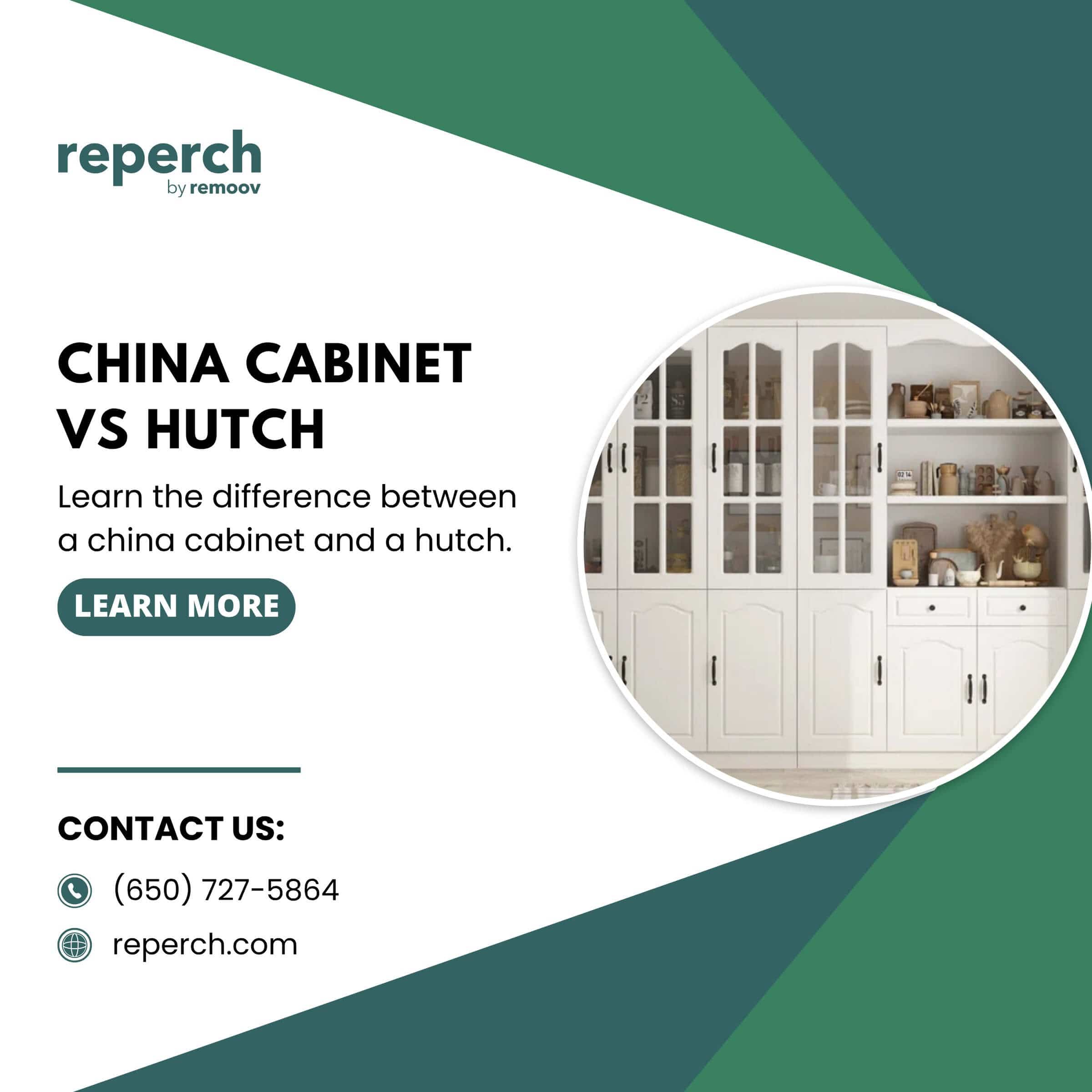
A china cabinet is usually a single enclosed unit built mainly for display. The classic version has glass-front doors and interior shelves designed to show off fine china, crystal, or collectibles while keeping them protected from dust.
Many china cabinets have closed storage at the bottom, but the identity of the piece is still centered on display. They often feel more formal because the glass and symmetry create a “showcase” look.
Why china cabinets feel more formal
China cabinets are designed to present what is inside them. Even modern ones often keep that same intent: a clean-lined display case that highlights curated objects. If you want your dining room to feel more polished and collected, a china cabinet can add that instantly.
The Real Difference Between a Hutch and a China Cabinet
They overlap, but a few differences show up again and again.
Construction and layout
A hutch is often two-piece or at least looks like two parts. A china cabinet is often one enclosed unit.
Storage style
A hutch usually gives you a mix of open display and closed storage. A china cabinet leans heavily toward glass display with more enclosure.
How you use it day to day
Hutches are commonly used for everyday dishes and routine storage. China cabinets are often used for items you want to protect, preserve, or display more intentionally.
The feel it gives the room
A hutch usually reads casual, warm, and functional. A china cabinet usually reads polished, formal, and curated.
If you are shopping on Reperch, this difference matters because you will see a wide range of styles listed under both terms. Knowing how the piece is built and how you want to use it helps you pick the right category, even when sellers label things loosely.
How to Choose the Right One for Your Home
Instead of choosing based on what looks prettier online, choose based on how you live in the space.
Choose a hutch if you want everyday storage with display
A hutch is a great fit when you want:
Easy access to daily plates, bowls, mugs, or pantry items
A mix of shelves and hidden cabinets
A piece that can be styled casually and updated often
Flexibility to repurpose the base as a buffet later
Hutches work especially well in homes where the dining room is also used for homework, crafts, or daily routines. You get storage without the room feeling too formal.
Choose a china cabinet if you want protected display and a cleaner look
A china cabinet is a great fit when you want:
Display space that stays dust-free
A dedicated place for heirlooms, crystal, or collectibles
A more formal, symmetrical focal point
A piece that feels “finished” with minimal styling effort
If you entertain often or your dining room is more formal, a china cabinet can make the room feel elevated quickly.
Where Each One Works Best
Dining room
Both can work well here, but they give different moods. A hutch often feels more relaxed and functional. A china cabinet often feels more refined and intentional.
Kitchen or breakfast nook
Hutches usually win here. They are easier to use daily, and open shelving can make the space feel more lived-in. A china cabinet can work in a kitchen, but it often feels more like a display choice than a practical one.
Living room
A hutch is more likely to work here because it can hold books, games, decor, and media items. A china cabinet can work in a living room too, especially if you use it like a display case for art objects, but it is a more specific look.
Open-plan spaces
In open layouts, the choice is often about visual weight. A tall glass china cabinet can feel heavy if the room already has a lot going on. A hutch can blend more naturally if you balance open and closed storage and keep styling calm.
Styling Tips so it Looks Intentional
You do not need to overload either piece with decor. The goal is to make it feel collected, not crowded.
Style a hutch so it feels clean, not cluttered
A hutch can turn messy fast because open shelves invite random items. Keep it simple:
Use fewer, larger items instead of many small ones
Repeat one material, like clear glass, warm wood, or white ceramic
Leave some open space on shelves so it can breathe
A good rule is to treat it like a bookshelf. You want rhythm, not a full shelf wall of objects.
Style a china cabinet so it feels modern, not dated
China cabinets sometimes get unfairly labeled as “grandma furniture” because people fill them with too many tiny items. A cleaner approach feels more current:
Group items by color or material so the display feels cohesive
Use negative space on shelves instead of filling every inch
Mix dinnerware with a few sculptural objects or cookbooks for balance
If you are building a dining room slowly with secondhand pieces, Reperch can help here because you can find a cabinet that fits your style, then add complementary serving pieces and decor over time.
Shopping Secondhand Without Regret
Buying a big storage piece secondhand can be a huge value win, but you have to check the right things. Photos can hide the issues that matter most.
What to inspect before you buy
Here are the most important checks to make in person, or to confirm through detailed photos and questions. I am keeping this short on purpose so it is usable.
Doors and hinges: Do they open smoothly, close evenly, and sit aligned?
Shelves: Are they sturdy? Are they adjustable? Do they sag?
Drawers: Do they glide smoothly without scraping or sticking?
Back panel and structure: Does it feel solid, not racked or twisted?
Glass: Any chips, cracks, or loose panels?
Moisture damage: Look for swelling, bubbling finish, or warped wood, especially at the base.
If you are shopping through Reperch, prioritize listings with clear interior photos and closeups of edges, hardware, and shelves. That is where the real condition shows.
Measure like you mean it
A hutch or china cabinet can look “right size” online and still overwhelm your room. Measure:
The wall width where it will sit
The ceiling height, especially for tall pieces
Doorways and tight turns for delivery
Also measure depth. Deep cabinets can stick out more than you expect and make a dining area feel tight.
Common Mistakes People Make
Buying a display piece when they actually need hidden storage
If your dining room feels cluttered, a china cabinet with mostly glass may not solve the problem. You may need a hutch with more closed cabinets, or a buffet plus wall shelves.
Choosing based on style, not function
It is easy to fall in love with a piece and ignore reality. Ask yourself: will you use it daily, or is it mainly visual? A hutch is more forgiving for daily use. A china cabinet is better when the display is the point.
Overfilling shelves
Both pieces look better with breathing room. The more you cram in, the more it starts to look random.
Where Reperch Fits In
If you are buying secondhand, the hardest part is not finding options. The hardest part is finding the right option that matches your space, your routine, and your style, without feeling like a gamble.
Reperch helps because you can shop pre-owned pieces in a more curated way, compare dimensions and condition, and build your dining room in phases instead of trying to find the perfect match all at once. For example:
Start with the right storage anchor, either a hutch or a china cabinet
Add a dining table that matches the visual weight and wood undertone
Add chairs that feel cohesive, even if they are not a matching set
Finish with a sideboard, rug, or lighting that ties the space together
That is how you get the collected look people want from secondhand shopping, but with a cleaner, more intentional result.
Quick Decision Guide
If you want the simplest decision shortcut, use this:
Choose a hutch if you want flexible everyday storage with a mix of display and hidden space.
Choose a china cabinet if you want an enclosed display piece that feels polished, protective, and more formal.
Both can be beautiful. The right choice depends on what you need the furniture to do, not just what you want it to look like.
Final Thoughts
A hutch and a china cabinet can both solve the same general problem: storing and displaying dining essentials. But they solve it in different ways.
If you want a piece that works hard every day and adapts over time, a hutch usually fits best. If you want a dedicated display cabinet that protects what you love and makes the room feel more refined, a china cabinet is often the better choice.
Either way, shopping secondhand is where you can get the best value, because older storage pieces are often better built than many modern budget options. Focus on structure, doors, shelves, and measurements first. Then choose the style that fits your home, and let Reperch help you build the rest of the room around it.