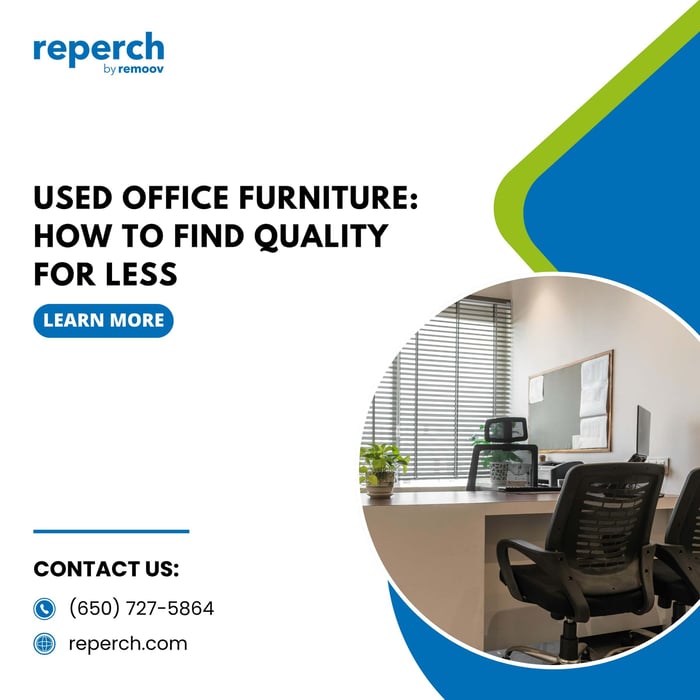
Buying used office furniture can be one of the easiest ways to cut furnishing costs without making your workspace feel temporary or low quality. A well-made secondhand desk, task chair, or storage piece can often outperform a cheaper new version, especially when it comes to durability, function, and overall look.
That said, used office furniture only saves money when you choose the right pieces.
A desk that wobbles, a chair that sinks, or a file cabinet that sticks every time you open it is not a bargain. It is just a future problem. That is why shopping secondhand for office furniture takes a little more care than buying something straight from a catalog. You want the pieces that still have solid structure, useful life left in them, and the kind of quality that makes them worth bringing into your home office or workspace.
If you are trying to find office furniture without overspending, this guide will help you understand what to look for, what to avoid, and how to get better value from secondhand pieces.
Why Used Office Furniture Can Be a Smart Buy
Office furniture is built for daily use. A desk may hold monitors, paperwork, and equipment all day. A chair may be used for hours at a time, five days a week. Storage pieces are opened, closed, moved, and filled repeatedly. Because of that, good office furniture is often designed to be more functional and more durable than many low-cost pieces made for casual home use.
That is part of what makes secondhand office furniture worth considering.
When a quality piece enters the resale market, you may be able to buy something sturdier and better designed than what the same budget would get you new. Instead of ending up with a flimsy desk or a chair that feels worn out after a few months, you may find a workhorse piece that still has years of use left in it.
Used office furniture also makes sense for people who want to furnish a home office gradually. Rather than spending a large amount all at once, you can focus on the essentials first and build a better setup over time.
Start With What You Actually Need
Before you shop, it helps to get clear on what your workspace needs to do.
Some people need one good desk and a comfortable chair. Others need a more complete setup with storage, shelving, or a larger worksurface. A creative workspace may need room for multiple monitors, sketching, or paperwork. A home office used for video calls may need furniture that looks more polished in the background. If you share a workspace, layout and storage matter even more.
The point is that office furniture should be chosen around function first.
That matters even more when you are shopping secondhand, because used inventory changes constantly. If you browse without a plan, it is easy to get distracted by a low price on something that does not actually improve your setup. A bargain is only a bargain if it solves a real need.
The Best Used Office Furniture to Buy First
Some office furniture categories are more reliable used purchases than others. Desks, storage units, bookcases, and filing cabinets are often strong places to start because they are easier to inspect and usually have fewer hidden issues than seating.
A solid desk can be a great secondhand buy if the top is stable, the frame is secure, and the surface is still in usable condition. Storage pieces can also offer excellent value because many are built to last and may only show cosmetic wear rather than real structural damage.
Chairs are where you need to be much more selective. A good office chair can absolutely be worth buying used, but it also has more parts that can wear out. Height adjustment, tilt tension, armrests, lumbar support, and wheels all need to be checked carefully. If even one of those features is failing, the chair may not feel comfortable for long work sessions.
How to Tell if a Used Office Chair Is Worth Buying
A chair is usually the most important piece in the room because it affects how you feel every day. A bad chair can make even the nicest desk setup feel frustrating. That is why office chairs deserve the closest inspection.
Start with the base and frame. The chair should feel sturdy when you sit in it and shift your weight. If it rocks in a way that feels loose, creaks constantly, or seems uneven, that is a warning sign. Then test the height adjustment. Raise the chair and sit in it for a minute. If it slowly sinks, the gas lift may be worn out.
After that, test the rest of the adjustments. Tilt, recline, armrests, seat depth, and lumbar support should all move properly and hold position. If the controls feel jammed, overly stiff, or broken, repairs may be more trouble than the savings are worth.
Look closely at the seat and back too. Fabric should not be badly torn or heavily stained. Mesh should not sag. Cushioning should still feel supportive rather than flattened. And if the chair has a noticeable musty, smoky, or stale smell, it is usually better to move on.
A used office chair can be a smart buy, but only if comfort and mechanics are still in good shape.
What to Look for in a Used Desk
Desks are usually easier to evaluate than chairs, but they still need a proper check.
Start with stability. Press down on the surface and gently shake the frame. A desk should feel solid, not loose or shaky. If the legs wobble or the whole piece shifts too easily, something may be damaged or poorly assembled.
Then inspect the surface. Minor scratches, light wear, and small marks are usually fine, especially if the desk is otherwise strong. But deep gouges, swelling, peeling laminate, or water damage can shorten the desk’s usable life and make it less appealing in a workspace.
If the desk has drawers, keyboard trays, cable cutouts, or adjustable features, test them. Drawers should open and close smoothly. Tracks should not stick or jump. Adjustable desks should move correctly across their range without strange noises or uneven lifting. Any built-in electrical components should be tested before you commit.
A secondhand desk does not need to look brand new. It just needs to feel dependable, functional, and proportionate to your space.
Storage Pieces Often Offer the Best Value
Used office storage is often one of the safest and smartest categories to buy secondhand.
Filing cabinets, drawer units, bookcases, side cabinets, and credenzas tend to hold up well if they were well made to begin with. They also add immediate function to a workspace, especially if you are trying to keep papers, supplies, chargers, and tech clutter under control.
Check drawers and doors first. They should open fully, close properly, and stay aligned. Look inside for signs of rust, moisture damage, or sagging shelves. If the piece locks, test the lock and make sure the key is included if that matters to you.
These items are also worth buying used because new office storage can be surprisingly expensive for what it is. A good secondhand cabinet or filing unit can make your office feel more complete without requiring a huge budget.
Materials That Tend to Hold Up Better
When shopping for used office furniture, materials matter more than brand hype.
Solid wood, thick veneer over strong construction, and heavy-duty metal frames usually age better than thin laminate or particleboard. That does not mean every wood-look piece is worth buying, but sturdier materials generally give you a better chance of long-term value.
With chairs, durable mesh, strong molded frames, reinforced nylon bases, and quality fabric are better signs than lightweight plastic that already feels brittle. With desks and storage, strong legs, well-fitted joints, and smooth-functioning hardware are usually better signals than a stylish finish alone.
Secondhand furniture is most worth buying when it was well made in the first place. If it started out cheap and flimsy, age usually makes that more obvious, not less.
What to Skip, Even if the Price Looks Good
Low prices can make weak furniture look tempting, but some problems are not worth dealing with.
Office chairs with failing gas lifts, cracked bases, broken armrests, or heavily worn mesh are often better skipped unless you know replacement parts are easy to find. Desks with structural wobble, warped tops, or peeling surfaces may look manageable in photos but can become constant annoyances in daily use. Storage pieces with rust, major dents, broken runners, or missing hardware can also end up costing more in time and frustration than expected.
Strong odors are another major reason to walk away. Smoke, mildew, and deep-set mustiness are hard to remove from fabric, foam, and even some wood interiors. Anything with obvious signs of pests or infestation should be an immediate no.
Used office furniture should save you money and improve your workspace. If a piece already feels like a repair project, it is probably not the right buy.
Do Not Forget the Hidden Costs
The listed price is only part of the real cost.
Transportation matters, especially for heavy desks, cabinets, and large worktables. You may need a van, moving help, or professional delivery. Then there are repair costs, cleaning, replacement casters, missing keys, worn hardware, or a new seat pad. Those expenses add up quickly.
This is why the cheapest item is not always the best value. A slightly more expensive secondhand piece in much better condition may save you more overall than a rough piece that needs attention right away.
It also helps to think about time. A used desk that works immediately is worth more than one that turns into a weekend project you never wanted.
Ask Better Questions Before You Buy
A few simple questions can help you avoid bad surprises.
Ask where the furniture came from. Office clearance pieces from a corporate environment may have been used heavily, but they are often better made than generic low-end items sold through random marketplaces. Ask how old the piece is and whether anything has been repaired or replaced. If it is a chair, ask whether all functions still work properly. If it is a desk or cabinet, ask for close-up photos of the surface, legs, underside, and drawers.
If you are buying online, detailed photos matter. You want to see edges, mechanisms, and any obvious wear, not just one flattering front angle. A seller who answers clearly and shares more information usually inspires more confidence than one who stays vague.
Used vs. Refurbished Office Furniture
Not all secondhand furniture is being sold in the same condition. Some pieces are simply resold as they were last used. Others have been cleaned, checked, and repaired before going back on the market.
That difference matters.
Refurbished office furniture often costs a bit more, but it may come with fewer surprises. This can be especially worthwhile for office chairs, where small mechanical problems make a big difference in comfort. If a chair has been cleaned, fitted with working parts, and tested properly, it may offer much better value than a cheaper chair sold as-is.
For desks and storage, the gap may matter less if the structure is already sound. But for anything with moving parts, refurbishment can make a real difference in how the furniture performs.
How Reperch Helps You Find Better Used Office Furniture
Finding quality secondhand office furniture is not just about saving money. It is about finding pieces that still feel good to use and fit naturally into your space. That is where Reperch can make the process easier.
Instead of sorting through endless random listings, Reperch offers a more thoughtful way to shop for secondhand furniture. That matters when you are trying to build a workspace that feels functional but still looks polished. A strong desk, a practical storage unit, or a well-chosen office chair can shape the whole room, and choosing those pieces carefully makes a big difference.
For anyone furnishing a home office or updating a work area on a budget, Reperch supports a smarter approach. You can focus on quality, character, and long-term usefulness instead of rushing into whatever happens to be cheapest that day.
Final Thoughts
Used office furniture can be an excellent way to build a better workspace for less, but only when you shop with a clear eye. The best pieces are the ones that still feel sturdy, work the way they should, and offer the kind of quality that makes them worth carrying home.
Desks, storage units, and well-built office chairs can all be great secondhand buys when you inspect them carefully. The key is to look past the price tag and focus on structure, materials, comfort, and condition. When you do that, you are far more likely to end up with office furniture that works hard, lasts longer, and makes your workspace feel better every day.