Furniture trends in 2026 are moving in a noticeably different direction. Instead of perfectly coordinated rooms, shiny finishes, and furniture designed to follow short-lived trends, interiors are becoming warmer, more personal, and more comfortable. People are looking for pieces with character, useful proportions, interesting materials, and enough quality to stay in the home for years.
That shift is also changing what feels current.
Vintage furniture, darker woods, soft curves, tactile upholstery, aged finishes, and expressive lighting are gaining ground. At the same time, disposable furniture, overly polished glam interiors, stark minimalism, and rooms filled with matching pieces are starting to feel less relevant.
The best part is that following the furniture trends of 2026 does not require replacing everything you own. Many of this year's strongest ideas are about working with furniture that already has personality and adding carefully chosen pieces over time.
Here is what is in, what is moving out, and how to use these trends without making your home feel dated next year.
What's In: Furniture Trends Shaping 2026
1. Vintage and Antique Furniture
One of the clearest furniture trends for 2026 is the return of vintage furniture and pieces that look as though they have lived a life before reaching your home.
Vintage cabinets, older armchairs, wood chests, side tables, dining chairs, lighting, and decorative furniture can add something new mass-produced pieces often struggle to create: history.
That does not mean your entire room needs to become traditional.
A vintage chest can sit beside a modern sofa. An older wood table can work with contemporary dining chairs. A traditional armchair can become the most interesting piece in an otherwise simple room.
The goal is contrast, not historical accuracy.
Homes increasingly look better when they feel assembled gradually rather than purchased all at once.
2. Warm Browns and Earthy Neutrals
Cool gray is continuing to lose ground to warmer colors.
Expect to see more:
Chocolate brown
Mocha
Tobacco
Clay
Caramel
Olive
Warm beige
Deep taupe
These colors make rooms feel more grounded and comfortable.
Brown furniture in particular works naturally with wood, leather, brass, linen, and textured fabrics, making it easy to introduce without redesigning the entire space.
If your home already contains cooler neutrals, you do not need to remove them. A darker wood cabinet, brown chair, or warm rug may be enough to shift the balance.
3. Sculptural and Curved Seating
Straight-edged, boxy furniture is giving way to softer silhouettes.
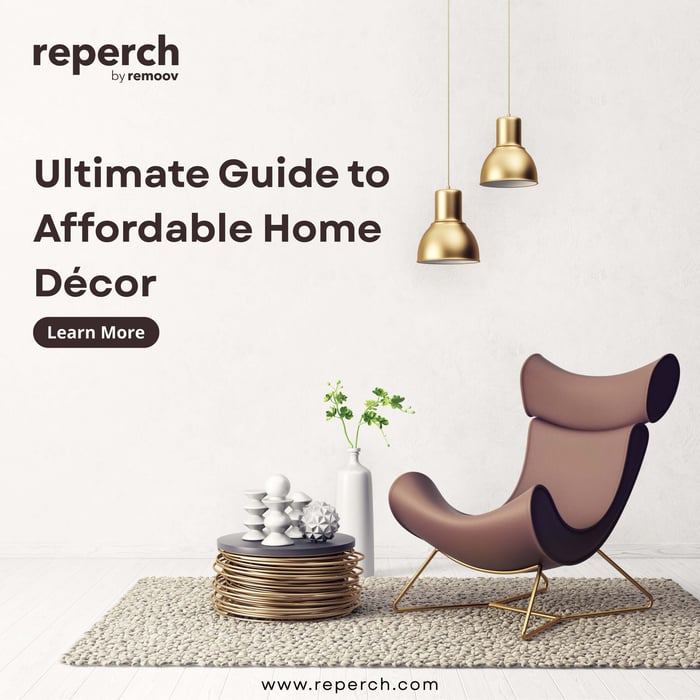
Curved sofas, rounded armchairs, cocooning lounge chairs, soft-edged dining chairs, and sculptural ottomans are becoming more prominent.
These shapes add visual interest even when the color palette stays simple.
They also make living areas feel more inviting because rounded forms naturally soften rooms filled with rectangular architecture, windows, shelving, and tables.
You do not need a dramatically curved sofa to participate in the trend. A single rounded chair or circular ottoman can introduce the same idea more subtly.
4. Comfort-First Furniture
Furniture in 2026 is expected to work harder.
A beautiful sofa that nobody wants to sit on does not make much sense anymore.
People are increasingly prioritizing:
Deeper seating
Supportive armchairs
Softer upholstery
Generous proportions
Comfortable dining chairs
Furniture designed for longer use
This reflects how homes are actually being used.
Living rooms may support entertaining, working, reading, movie nights, and quiet evenings. Dining areas are not always used for quick meals. Chairs need to remain comfortable when people stay around the table for hours.
Comfort is no longer something designers add after choosing the look. It is part of the look.
5. Natural Materials and Visible Craftsmanship
Furniture that shows what it is made from feels increasingly relevant.
Natural materials such as wood grain, leather, woven fabrics, stone, wool, linen, and metal finishes with visible character are replacing surfaces designed to appear perfectly uniform.
Details such as joinery, carving, grain variation, patina, and handcrafted elements can make furniture feel more substantial.
This is especially useful when shopping secondhand.
A piece does not have to look untouched to feel valuable. Small signs of age can sometimes make wood, leather, brass, or other materials more interesting.
When browsing Reperch, looking closely at material, construction, and character can be more useful than searching only for furniture that looks completely new.
6. Patina and Aged Finishes
For years, furniture was often expected to look flawless.
In 2026, some imperfections are becoming part of the appeal.
Aged brass, mellow wood, worn leather, softened paint, and finishes that have developed depth over time can help create a more layered interior.
There is an important difference between patina and damage.
Loose joints, major cracks, water damage, or structural problems still matter. But gentle surface wear does not automatically make a piece undesirable.
Sometimes it is exactly what gives the furniture character.
7. Quiet Luxury
Luxury furniture trends are becoming less obvious.
Instead of mirrored finishes, excessive shine, and decorative excess, quiet luxury focuses on:
Good proportions
Quality materials
Comfortable furniture
Subtle craftsmanship
Restrained colors
Longevity
The room should feel good before it looks expensive.
A beautifully constructed wood table may communicate more than several glossy accessories. A simple leather chair may feel more luxurious than something covered in decorative details.
This makes quiet luxury particularly compatible with well-made pre-owned furniture.
8. Warm Minimalism
Minimalism is not disappearing entirely.
It is becoming softer.
Warm minimalism keeps the simplicity of clean layouts but removes some of the coldness associated with stark white spaces and almost empty rooms.
Instead, expect:
Warm wood
Textured fabrics
Cream and beige
Leather
Ceramics
Soft lighting
Natural materials
A few meaningful objects
The goal is calm without emptiness.
Furniture remains relatively simple, but the materials make the room feel lived in rather than clinical.
9. Collected Interiors
Perfect symmetry and carefully matched furniture are becoming less important.
Mixing vintage and modern furniture with books, artwork, ceramics, objects, and other pieces collected over time can make a room feel more personal.
This does not mean filling every surface.
A collected interior still needs editing.
Try combining a few items that carry personal meaning instead of adding decorative objects simply to occupy empty space.
The most successful rooms feel personal because the objects look chosen, not staged.
10. Expressive Lighting
Lighting in 2026 is functioning more like furniture.
Sculptural floor lamps, unusual table lamps, oversized pendants, vintage lighting, and fixtures with distinctive materials can become focal points rather than background features.
The actual light still matters.
Warm, layered lighting can make furniture feel richer and help materials such as velvet, wood, and leather look more dimensional.
Use more than one light source when possible instead of depending entirely on a bright overhead fixture.
11. Velvet and Tactile Upholstery
Texture is becoming increasingly important.
Velvet, mohair-like textures, woven upholstery, linen, and other tactile fabrics can add warmth without requiring complicated patterns.
Jewel tones are also appearing more frequently, especially on statement seating.
Deep green, burgundy, rust, navy, and rich brown upholstery can give a chair or sofa presence while still working with neutral surroundings.
If a bold velvet sofa feels like too much commitment, start with an accent chair or ottoman.
12. Modular and Flexible Furniture
Homes continue to serve multiple purposes, and furniture is adapting.
Modular sofas, movable ottomans, nesting tables, lightweight accent furniture, storage pieces, and furniture with multiple functions allow rooms to change more easily.
A pouf might serve as seating, a footrest, or an occasional surface.
A cabinet may provide storage while also defining one area of an open room.
Flexibility is becoming a major part of good furniture design because rooms no longer have only one job.
What's Out: Furniture Trends Losing Ground in 2026
1. Fast Furniture
Perhaps the biggest shift is away from furniture purchased with the expectation that it will be replaced soon.
Cheap furniture can be useful in certain situations, but constant replacement is becoming less appealing.
People are placing more value on furniture that can remain useful through changing trends, moves, and different stages of life.
Instead of asking whether something is currently fashionable, the better question is whether you will still want to live with it several years from now.
2. Full Glam Interiors
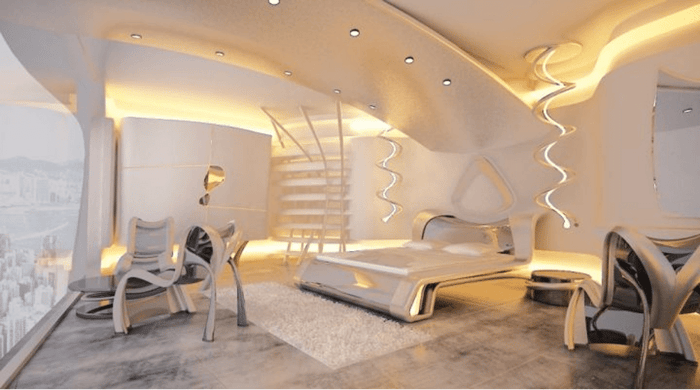
Highly reflective furniture, excessive gold accents, mirrored surfaces, shiny fabrics, and rooms where every element tries to look glamorous are becoming less dominant.
That does not mean metallic finishes are disappearing.
Aged brass, soft black, pewter, satin nickel, and other quieter finishes still work beautifully.
The change is toward moderation.
One reflective piece can add contrast. An entire room filled with them can quickly feel dated.
3. Stark Minimalism
Completely empty surfaces, all-white interiors, hard edges, and rooms stripped of personality are becoming less desirable.
People still want calm spaces, but they also want comfort and meaning.
Books can stay visible.
Artwork can be personal.
Furniture does not have to disappear into the architecture.
The new version of minimalism leaves room for life.
4. Matching Furniture Sets
A sofa, loveseat, chair, coffee table, and side tables from the same collection may be convenient, but the result can feel overly coordinated.
In 2026, variation is more appealing.
Mix wood tones.
Use different side tables.
Pair vintage furniture with newer pieces.
Combine a sculptural chair with a simpler sofa.
Small differences create the feeling that the room evolved naturally.
5. High-Shine Perfection
Perfectly glossy finishes and furniture that looks untouched are becoming less important.
More interest is shifting toward texture, patina, grain, handmade details, and surfaces that improve with age.
Furniture does not need to look damaged, but it also does not need to appear as though nobody has ever used it.
How to Follow 2026 Furniture Trends Without Redecorating Everything
The smartest way to use furniture trends is selectively.
Start with your existing room and identify what already fits the direction.
Maybe you already own a dark wood dresser.
Perhaps your sofa is neutral enough to work with warmer colors.
Maybe an inherited chair just needs to be moved into a more visible location.
Then make small additions.
A vintage side table, sculptural lamp, upholstered chair, warm-toned rug, or older wood cabinet may be enough to change the mood.
You can also use Reperch to look for pieces with the materials, character, and craftsmanship behind many of these 2026 trends without expecting your room to match a showroom.
The goal is not to make your home look like 2026.
It is to use the best ideas from 2026 to make your home feel more like yours.
Frequently Asked Questions
What Furniture Is Trending in 2026?
Vintage furniture, curved seating, warm woods, brown tones, tactile upholstery, sculptural pieces, modular furniture, and pieces with visible craftsmanship are among the strongest trends.
What Furniture Colors Are Popular in 2026?
Warm browns, mocha, tobacco, clay, olive, deep green, burgundy, cream, and other earthy shades are gaining popularity.
Is Vintage Furniture in Style for 2026?
Yes. Vintage and antique pieces fit the growing preference for interiors that feel collected, individual, and rich in character.
Is Gray Furniture Out of Style?
Cool gray is becoming less dominant as warmer neutrals return. You do not need to replace gray furniture, though. Pairing it with warm wood, brown, cream, brass, or textured fabrics can soften the overall look.
Are Curved Sofas Still in Style in 2026?
Yes. Curved and sculptural furniture remains relevant, particularly when the shape also supports comfort and practical everyday use.
Is Minimalism Going Out of Style?
Stark minimalism is losing popularity, but simpler interiors are not disappearing. Warm minimalism combines restraint with natural materials, softer colors, texture, and personal objects.
2026 Is About Character Over Perfection
The biggest furniture trend of 2026 is not one particular sofa shape, color, or material.
It is a change in attitude.
Furniture is becoming more personal, more comfortable, and more connected to how people actually live. Vintage pieces, natural materials, aged finishes, richer colors, and thoughtful craftsmanship are gaining attention because they make rooms feel less temporary.
At the same time, fast furniture, rigid matching sets, high-shine glam, and spaces without personality are becoming less appealing.
Use the trends that work for your home and ignore the ones that do not.
A room that feels comfortable, collected, and genuinely connected to the people living there will usually outlast whatever comes next.