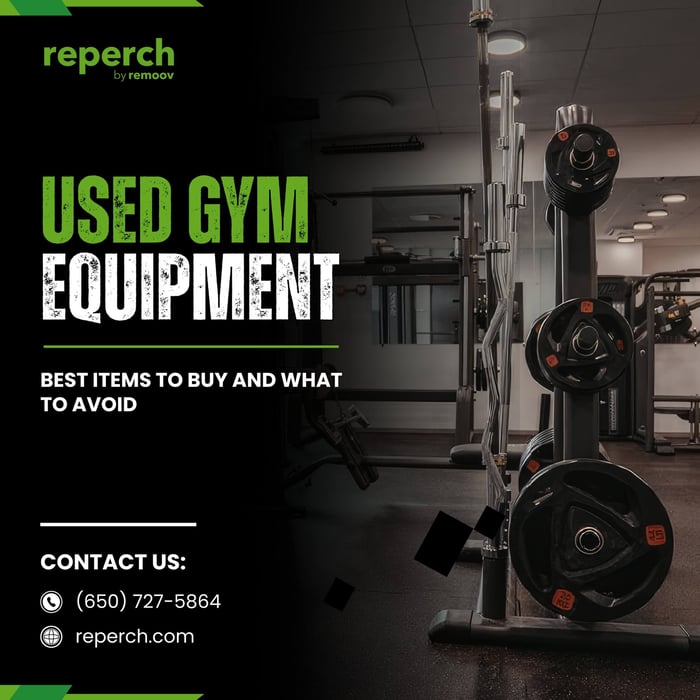
Buying used gym equipment can be one of the easiest ways to build a home gym for less, but the biggest discount is not always the best deal. Some fitness equipment can remain useful for years because it has simple construction and few parts that wear out. Other equipment can hide expensive problems in motors, belts, cables, bearings, consoles, or safety systems.
A scratched pair of cast-iron dumbbells may perform almost exactly like a new pair. A cheap treadmill with a worn motor, slipping belt, and outdated electronics can quickly become more expensive than expected.
The key is knowing which used fitness equipment is durable enough to make sense, which items require careful testing, and which purchases are usually better avoided.
Is Used Gym Equipment Worth Buying?
Used gym equipment can be worth buying when the structure is sound, the equipment matches your training goals, and the savings remain meaningful after transport, cleaning, maintenance, and repairs.
Simple strength equipment is often the easiest place to find value because it has fewer failure points. Cardio and multi-station machines require more caution because motors, electronics, belts, and cables can wear gradually.
Before shopping, decide what you actually need. A low-priced machine that does not fit your workout routine or available space is not a bargain. When planning home exercise equipment, prioritize pieces that support workouts you already enjoy rather than filling the room with machines simply because they are discounted.
Best Used Gym Equipment to Buy
Dumbbells, Kettlebells, and Weight Plates
Free weights are among the strongest secondhand purchases because their basic function changes very little with age.
For dumbbells and kettlebells, check handles for cracks, severe rust, loose heads, or damage that affects grip. Rubber-coated weights should be inspected for major splits or deterioration.
Weight plates can tolerate cosmetic wear. Light surface rust or chipped paint may not affect performance, but avoid cracks, broken edges, or damage around the center hole.
Barbells
A quality used barbell can offer good value. Roll it on a flat surface to check whether the shaft is bent, inspect the sleeves, and look at the knurling for heavy wear. Bending or deep corrosion can make a cheap asking price less attractive.
Power Racks, Squat Racks, and Benches
Steel racks can last a long time when they have not been structurally damaged. Check the uprights, welds, bolts, J-hooks, and safety arms or pins. Surface scratches are usually less important than bent steel, cracked welds, missing safety components, or improvised repairs.
Benches can also be strong used purchases. A flat bench is simple to inspect, while an adjustable bench requires extra attention around hinges, pins, and locking mechanisms. Test every position and make sure the frame does not wobble under normal weight.
Used Cardio Equipment Can Be Worth It, but Test It First
Cardio equipment is not automatically a bad secondhand purchase, but it needs more testing because motors, belts, bearings, resistance systems, and electronics can wear over time.
Stationary Bikes and Rowers
Stationary bikes and rowers can be reasonable choices when they have been maintained well.
On a bike, test the pedals, resistance adjustment, seat position, handlebars, and display. Pedaling should feel smooth rather than jerky or uneven.
If you are considering connected indoor cycling equipment, a used Peloton requires additional checks around the display, resistance system, pedals, account setup, and overall mechanical condition.
For a rower, inspect the chain or belt, rail, seat, foot straps, and resistance system. The seat should travel smoothly and the pulling mechanism should return consistently.
Treadmills and Ellipticals
A used treadmill can offer meaningful savings, but it is also one of the easiest machines to underestimate.
Run it at several speeds. Test the incline, console controls, and emergency stop. Watch for belt slipping, uneven speed, grinding, burning smells, or excessive motor noise.
Ellipticals should move smoothly through their full range without catching, knocking, or wobbling. Test the resistance levels and electronic functions.
If a seller will not let you properly test a cardio machine, that is a strong reason to walk away.
Used Gym Equipment to Approach With More Caution
Complex Cable Machines
Cable machines and multi-gyms can be worthwhile when they are complete and well maintained, but missing or worn components can create expensive problems.
Inspect cables for fraying, flattened areas, or damaged coating. Pulleys should rotate smoothly, and weight stacks should move without sticking. Confirm that every pin, attachment, guard, and adjustment point is present.
A machine with a low asking price may still be poor value if proprietary replacement parts are difficult to source.
Electronics-Heavy Fitness Machines
Touchscreens, connected workout programs, electronic resistance systems, and digital consoles create more failure points in older equipment.
Test the entire console rather than simply checking that it turns on. Try the buttons, programs, resistance controls, incline controls, and any other features you plan to use.
Before buying an older model, check whether replacement consoles, sensors, power supplies, and other electronic components are still available.
What Gym Equipment Is Often Better Bought New?
Some products are inexpensive enough that buying used provides little advantage, especially when hygiene or material fatigue is difficult to judge.
Resistance bands are a good example. Elastic material weakens with age, and small cracks can become failure points under tension. Yoga mats and heavily used personal training accessories may also offer limited savings once wear and cleaning are considered.
Suspension straps also deserve caution because worn webbing, buckles, or anchors can create a safety risk.
How to Inspect Used Gym Equipment Before Buying
Start with the frame. Look for cracks, bends, deep corrosion, damaged welds, and instability. Then move every adjustable or mechanical part through its complete range.
Listen while you test. Grinding, scraping, squealing, clicking, or rattling can indicate wear that photos may not reveal.
Check belts, cables, chains, bearings, pulleys, pads, grips, and fasteners. On electronic machines, test all controls and safety functions.
Storage history matters too. Damp garages or basements can accelerate rust and electrical problems. Ask how often the equipment was used, whether it was repaired, and whether maintenance records are available.
Calculate the Real Cost Before Calling It a Deal
A used machine should be compared with the cost of a realistic alternative, not just its original retail price.
Consider:
Purchase price + transport + setup + cleaning + immediate repairs + replacement parts
A cheap treadmill that needs professional moving and a new belt may cost more than a better-maintained machine. For large equipment, measure doors, stairs, hallway turns, ceiling height, and the equipment itself before paying.
Also decide whether local pickup or delivery makes more financial sense. Large treadmills, racks, and multi-station machines can require several people, a suitable vehicle, or partial disassembly, so transportation should be included in the purchase budget from the beginning.
Finding Used Gym Equipment Through Reperch
When shopping for used gym equipment through Reperch, compare pieces based on their condition, dimensions, construction, functionality, and overall value rather than focusing only on how much they cost compared with new equipment.
Clear photographs, accurate measurements, and detailed condition information are especially important when evaluating larger or mechanical fitness equipment. Look closely for visible wear, missing components, rust, damaged padding, or signs that moving parts may need attention. These details can help you determine whether the equipment is ready to use or whether additional cleaning, repairs, replacement parts, or transportation costs should be included in your budget.
Frequently Asked Questions
What Used Gym Equipment Is Best to Buy?
Dumbbells, kettlebells, weight plates, barbells, racks, and well-built benches are often strong used purchases because they have relatively few components that can fail. Condition still needs to be checked before use.
Is It Safe to Buy a Used Treadmill?
It can be, provided the frame, motor, belt, incline system, controls, and emergency stop all work correctly. Test the treadmill at multiple speeds and include potential repairs in the price.
Should I Buy Used or Refurbished Gym Equipment?
Standard used equipment is often sold in its current condition. Refurbished equipment may have been cleaned, tested, serviced, or fitted with replacement parts. Refurbished machines can cost more but may reduce some of the uncertainty associated with private sales.
What Should I Avoid When Buying Used Gym Equipment?
Avoid equipment with structural cracks, unstable frames, frayed safety-critical cables, severe corrosion, unreliable locking mechanisms, burning smells, malfunctioning electronics, or missing parts that cannot be replaced easily.
Is Commercial Gym Equipment Better to Buy Used?
Commercial equipment can offer strong value because it is often built for frequent use, but it may also have accumulated far more hours than home equipment. Check maintenance history and actual condition rather than assuming commercial automatically means better.
Final Thoughts
The best used gym equipment purchases are usually simple, durable, easy to inspect, and suitable for the workouts you actually plan to do.
Free weights, racks, barbells, and many benches can offer excellent secondhand value. Cardio machines and cable systems can also be worthwhile, but they require more testing because hidden mechanical or electronic wear can quickly erase the savings.
Inspect safety first, calculate the complete cost, and walk away when major repairs or missing components create too much uncertainty.
Explore Reperch to compare quality secondhand equipment and other pre-owned items by condition, function, dimensions, and value before deciding what deserves a place in your home.