A cozy reading nook does not require a home library, a built-in window seat, or an unused room. Sometimes all you need is a comfortable chair, good light, somewhere to put your book, and a corner that feels slightly removed from the rest of the room.
That is what makes reading nooks so adaptable. You can create one beside a bedroom window, at the end of a hallway, next to a bookcase, in an unused living room corner, or even beside your bed.
The best reading nook is not necessarily the biggest or most elaborate. It is the one that makes you want to sit down, switch off distractions, and stay for another chapter.
Start by Finding the Right Spot
Before buying furniture, walk through your home and look for spaces that are underused.
A good reading nook might be:
Beside a bright window
In an empty bedroom corner
Next to existing bookshelves
At the end of a hallway
Under a staircase
Beside a fireplace
In part of a living room
Near the foot of your bed
Do not dismiss a space because it seems too small.
A corner only needs enough room for comfortable seating and a little functional space around it. In fact, smaller areas can feel naturally cozy because they already create a sense of enclosure.
Think about noise as well as size. A beautifully decorated chair beside the busiest doorway in the house may not become a place you actually use.
Build the Nook Around a Comfortable Seat
Comfort should come before style.
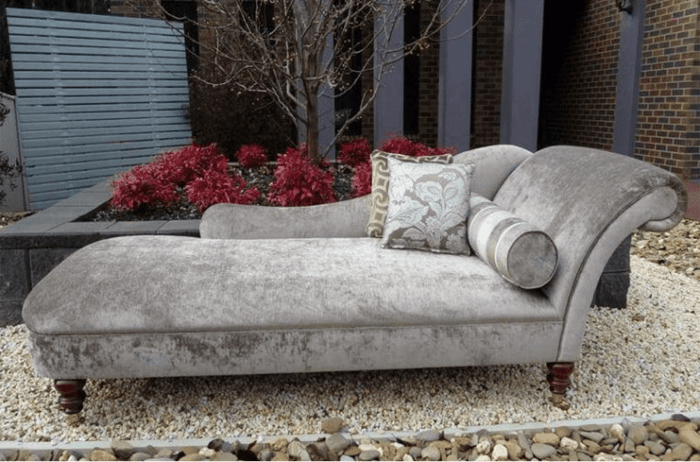
If you plan to read for more than a few minutes, choose seating that supports the way you naturally sit. Some people prefer an upright armchair, while others want enough depth to curl their legs underneath them.
If you are considering a pre-owned armchair, check the frame, upholstery, seat support, dimensions, and overall condition rather than choosing based on appearance alone.
Possible options include:
An Armchair
A classic reading chair works almost anywhere and is particularly useful when you are creating a nook within a larger room.
Look for supportive arms, comfortable back height, and enough seat depth for longer reading sessions.
A Chair and Ottoman
An ottoman lets you stretch out without needing the space for a full sofa.
It can also double as extra seating when necessary.
A Small Loveseat
If the nook will be shared, a compact loveseat can create space for two people without taking over the room.
A Window Bench
An existing window seat can become a reading nook with cushions, pillows, and a nearby light.
Even a simple bench under a window can work if the seat depth is comfortable enough.
Make Lighting a Priority
Lighting can determine whether a reading nook feels inviting or frustrating.
Natural light is ideal during the day, which is why a spot beside a window often works so well.
But do not rely on daylight alone.
A reading nook should still function in the evening, on cloudy days, or during winter when daylight disappears earlier.
Add a focused light source such as:
A floor lamp
Table lamp
Adjustable reading lamp
Plug-in wall sconce
Battery-powered wall light
Position the light so it illuminates the page without shining directly into your eyes.
Warm lighting can also help the nook feel calmer, especially when it is separate from brighter overhead lighting elsewhere in the room.
Add a Small Surface Within Reach
A reading nook becomes much more practical when you have somewhere to put a cup, glasses, phone, or current book.
You do not need a traditional side table.
A small stool, narrow pedestal, nesting table, wall-mounted shelf, or compact vintage table can work just as well.
The important part is reach.
You should not have to stand up every time you want to put down your coffee.
Keep Books Close Without Overloading the Space
Book storage helps make the area feel like a true reading nook, but it does not need to become a full library.
If you already have a nearby bookcase, position your chair close enough to reach it comfortably.
For smaller spaces, consider:
Floating Shelves
Wall-mounted shelves provide storage without using valuable floor area.
A Narrow Bookcase
Tall, narrow shelving uses vertical space efficiently.
A Book Cart
A small rolling cart can hold your current reading list and move whenever the room needs to change.
Storage Baskets
A basket beside the chair can hold magazines, books, blankets, or reading accessories without adding another large piece of furniture.
If you need more substantial organization, choosing storage furniture that fits both the available space and what you actually need to store can prevent the nook from becoming crowded.
Keep the selection manageable. A nook with twenty books scattered across every surface can quickly feel cluttered instead of relaxing.
How to Create a Reading Nook in a Small Space
Small homes often have more reading-nook possibilities than people realize.
The key is to avoid making the nook feel like a separate room that needs several pieces of furniture.
Start with one comfortable chair.
Then add only what improves the experience.
A slim floor lamp may replace a table lamp and side table. A floating shelf can replace a full bookcase. A basket can hold both books and a blanket.
Look carefully at awkward spaces.
A narrow area between two doors, an unused corner beside a wardrobe, or the end of a hallway may be too small for conventional furniture but perfect for one chair and a lamp.
You can also use furniture that already serves another purpose. A bedroom chair can become your reading seat. A nightstand can hold your book. A dresser nearby can provide storage.
The goal is to create a reading zone, not necessarily a dedicated reading room.
Creating a Reading Nook in the Bedroom
Bedrooms are naturally suited to quiet reading.
If space allows, place an accent chair near a window or in a corner away from the main walkway.
Add a small lamp and side table, then use a throw or cushion that connects visually with the bedding.
In very small bedrooms, the bed itself can become part of the reading nook.
A supportive back cushion, nearby wall sconce, and compact shelf for books may be enough to create a comfortable reading setup without adding another chair.
Creating a Reading Corner in the Living Room
A reading nook can exist inside a larger living room without feeling disconnected.
Try placing an accent chair near a bookshelf and turning it slightly away from the television.
That simple change creates a different purpose for the corner.
Use a rug, floor lamp, or small table to visually define the area.
The furniture does not have to match the rest of the living room exactly. In fact, learning how to mix vintage and modern furniture can help a leather chair, wooden side table, vintage lamp, or other distinctive piece feel connected to the larger room without creating a matching set.
Make the Space Feel Softer
Once the practical pieces are in place, add comfort.
A few layers can transform a simple chair into somewhere you genuinely want to stay.
Consider adding:
One soft throw
A supportive cushion
A small rug
Curtains
A footstool
A woven basket
Avoid overdoing it.
Too many pillows can make the chair less comfortable, while excessive decor creates visual clutter.
The goal is softness, not decoration for its own sake.
Reduce Noise and Distractions
A reading nook should help you focus.
If your chosen corner is close to a busy street or active part of the house, soft materials can make the space feel quieter.
Rugs, curtains, upholstered seating, and wall textiles can soften sound.
You can also position the chair so it faces away from televisions, desks, or other visual distractions.
Sometimes creating a more peaceful nook is as simple as turning the furniture in another direction.
Add Something Personal
The best reading spaces feel connected to the person using them.
Display a framed photograph, favorite artwork, small plant, candle, vintage object, or something connected to books you love.
You could frame a meaningful quote, use an old map, or place a favorite camera or collectible on a nearby shelf.
Personal details help distinguish the nook from an ordinary chair in the corner.
Finding the Right Pieces Without Buying Everything New
A reading nook is a good place to use furniture that feels more individual than a matching retail set.
A pre-owned armchair, side table, floor lamp, bookcase, ottoman, or small cabinet can add character while keeping the project affordable.
When shopping through Reperch, pay attention to dimensions first, particularly when working with a small corner. Check chair width, seat depth, table height, and the amount of walking space that will remain once everything is positioned.
Condition matters too. Knowing how to spot quality in secondhand furniture can help you separate harmless cosmetic wear from problems such as unstable construction, water damage, persistent odors, or weak repairs.
A reading nook rarely needs many pieces, so choosing one or two good secondhand finds can make a bigger difference than filling the area with new accessories.
How to Make a Reading Nook Feel Cozy on a Budget
Start with what you already own.
Move an unused chair from another room. Borrow a lamp from your desk. Bring in a basket, blanket, or side table you already have.
Then identify what is actually missing.
You may discover that the entire project only requires a better lamp or one comfortable chair.
Secondhand shopping is particularly useful for reading nooks because the furniture does not need to match.
Older chairs, small wooden tables, bookcases, stools, and vintage lamps can create exactly the collected feeling that makes a reading corner inviting.
Frequently Asked Questions
What Does Every Reading Nook Need?
At minimum, a reading nook needs comfortable seating and adequate lighting. A small surface for books or drinks and nearby book storage make the space more practical.
Can You Create a Reading Nook in a Small Bedroom?
Yes. Use one corner, a chair beside the bed, or even the bed itself. Wall-mounted lighting and shelves can help when floor space is limited.
Where Is the Best Place for a Reading Nook?
Choose a quiet area with enough light and enough room for comfortable seating. Windows, bedroom corners, hallways, spaces beside bookcases, and unused living room corners can all work well.
What Is the Best Chair for a Reading Nook?
The best chair is one that supports your preferred reading position. Look for comfortable back support, appropriate seat depth, stable construction, and enough room for your arms.
How Do You Make a Reading Nook Feel Cozy?
Combine comfortable seating with warm lighting, a throw, cushion, rug, nearby books, and a few personal objects. Keep the area uncluttered so it still feels restful.
Final Thoughts
A reading nook does not need to look like a professionally designed home library.
It needs to feel comfortable enough that you choose it over the sofa, the television, or another hour of scrolling on your phone.
Find the quietest useful corner you have. Add a chair you genuinely enjoy sitting in. Give yourself enough light, somewhere to put your book, and a few personal details.
Then stop.
The simplicity is part of what makes the space work.
Explore Reperch for quality pre-owned chairs, tables, shelving, lighting, and other pieces that can help turn an overlooked corner into a reading space that feels completely your own.