A wingback chair is one of those furniture pieces you can recognize almost immediately, even if you don't know its name. The tall backrest, distinctive side panels, and comfortable upholstered seat give it a familiar appearance that has remained popular for centuries. You might have seen one beside a fireplace, tucked into a reading corner, or standing out as an accent chair in a living room.
What makes a wingback chair particularly interesting is how easily it fits into different interiors. Traditional versions feature rolled arms, wooden legs, and decorative upholstery, while modern designs use simpler shapes and contemporary fabrics. Despite these changes, the basic structure remains recognizable. For anyone exploring secondhand furniture through Reperch, understanding these differences can make it easier to recognize a chair that suits both the room and its intended use.
If you're considering adding one to your home, it's worth understanding where the design came from, what separates different styles, and how to choose a chair that looks good without sacrificing comfort.
What Is a Wingback Chair?
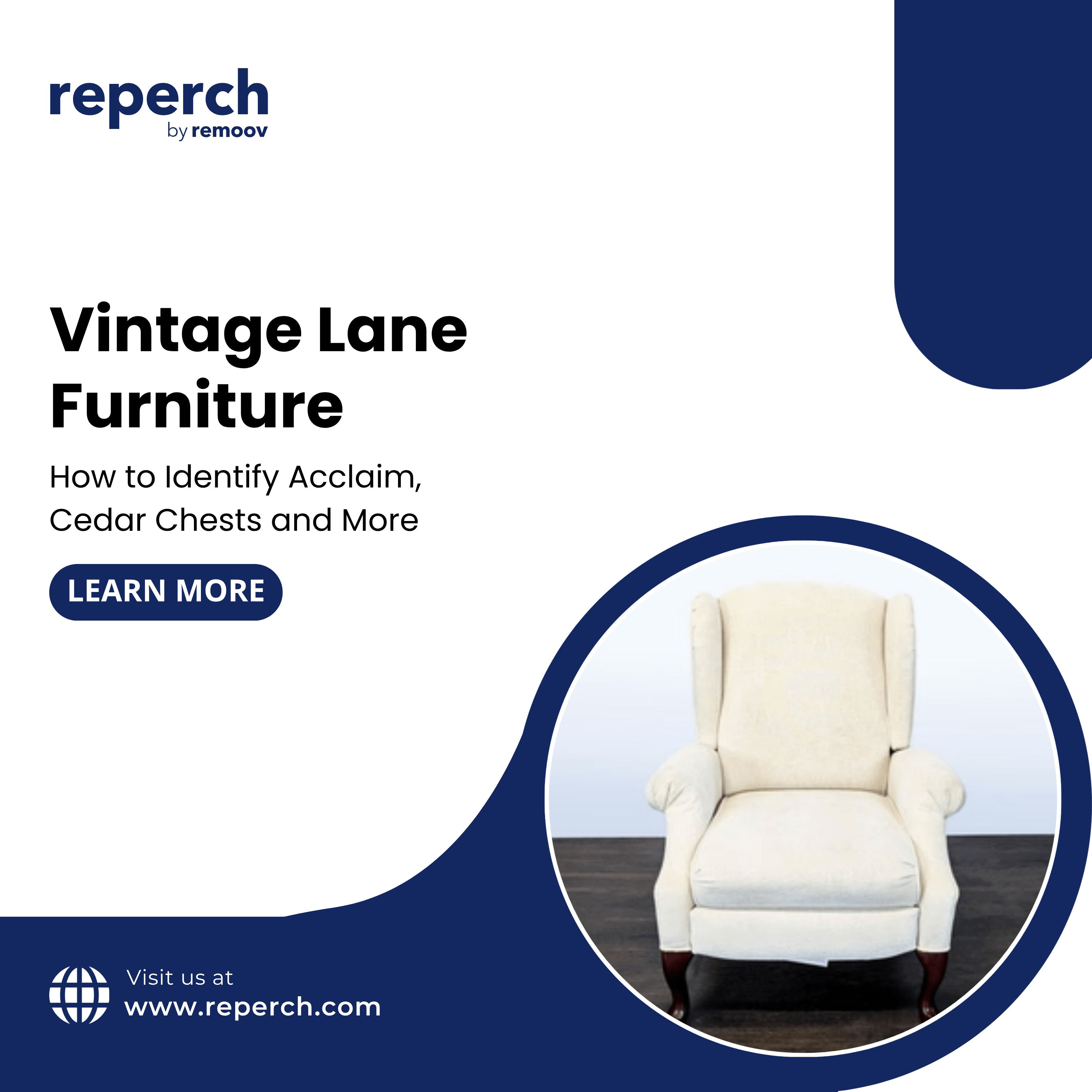
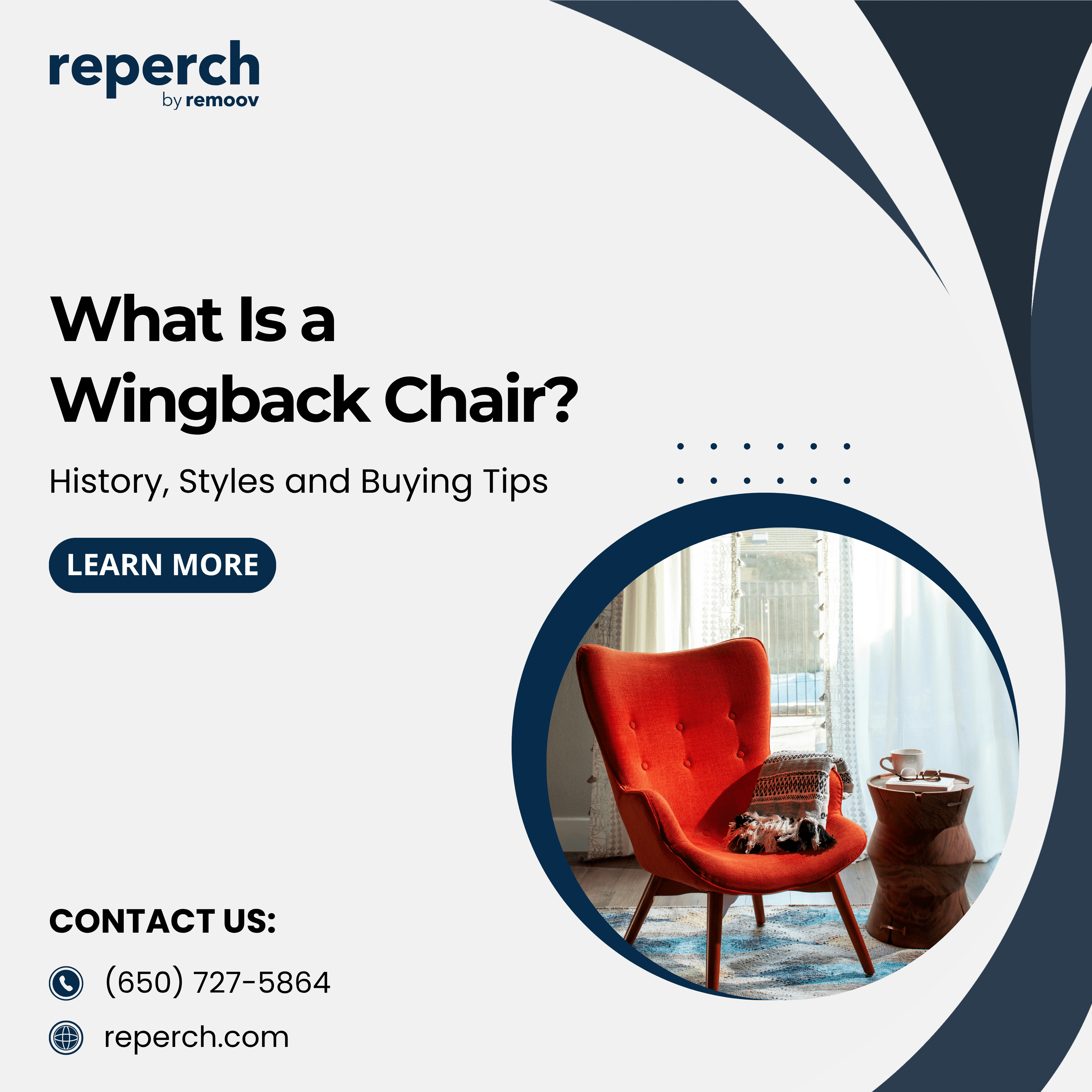
A wingback chair is an upholstered armchair characterized by a tall backrest and two projecting side panels called wings. These panels extend forward from the upper back, typically surrounding the sitter's head and shoulders. Most designs also include supportive armrests, a cushioned seat, and wooden or metal legs.
The wings give the chair its distinctive appearance, but they aren't purely decorative. Historically, they helped shield people from drafts while sitting near a fireplace. Today, their main appeal comes from the sheltered feeling they create and the visual character they add to a room.
Unlike ordinary armchairs, which may have low or open backs, wingback chairs create a more enclosed seating experience. However, not every wingback feels the same. Some have firm, upright seats designed for conversation, while others feature deeper cushions and more relaxed proportions.
This variety is why the wingback remains relevant among different lounge chair styles, especially for people looking for seating that combines an interesting silhouette with everyday comfort.
The History of Wingback Chairs
The wingback chair's origins are generally traced to seventeenth-century England, when fireplaces were essential for heating homes. Large rooms were often difficult to keep warm, particularly in houses with stone walls, high ceilings, and poorly insulated windows.
Early wing chairs were designed to make sitting near an open fire more comfortable. Their tall backs and projecting sides helped block surrounding drafts, allowing people to enjoy the fireplace without feeling cold air moving around their shoulders.
The earliest designs were considerably simpler than today's upholstered armchairs. Some had exposed wooden frames, while later versions introduced more padding, fabric coverings, and decorative details as furniture-making techniques developed.
Wingback Chairs in the Eighteenth and Nineteenth Centuries
During the eighteenth century, wingback chairs became associated with fashionable English furniture styles, including Queen Anne and Chippendale designs. Craftsmen experimented with curved wings, cabriole legs, carved wooden supports, and more elaborate upholstery.
By the Victorian period, heavily upholstered wingback chairs were common in formal sitting rooms and parlors. Deep button tufting, decorative trim, and rich fabrics reflected the elaborate decorating preferences of the time.
As upholstered furniture became more widely available, the wingback gradually moved beyond wealthy households. Its comfortable proportions and recognizable shape made it appealing for bedrooms, libraries, and family living areas.
How Wingback Chairs Changed During the Twentieth Century
Furniture design became simpler during the twentieth century, and wingback chairs changed alongside it. Mid-century interpretations often featured straighter lines, less decorative woodwork, and lighter-looking frames.
Later designs experimented with patterned upholstery, leather, velvet, and different chair proportions. Some retained traditional details, while others used only the essential wingback silhouette.
Contemporary versions continue this tradition of adaptation. A modern wingback might have narrow wings, a smooth upholstered back, and slim metal legs, yet its overall shape remains connected to the original fireside chair.
Different Types of Wingback Chairs
Wingback chairs come in several recognizable styles. Understanding their differences can help you choose a design that suits your furniture and the atmosphere you want to create.
Traditional Wingback Chairs
Traditional wingback chairs typically feature tall backs, rolled arms, curved wings, and substantial upholstered seats. Many have turned wooden legs, nailhead trim, or button tufting that emphasizes their classic appearance.
These chairs work particularly well in traditional living rooms, home libraries, and spaces with wooden furniture. Their substantial proportions also make them useful for balancing large sofas or filling corners that otherwise feel empty.
A traditional wingback doesn't necessarily require an old-fashioned room. Upholstering one in a simple neutral fabric can make its classic shape feel surprisingly current.
Queen Anne Wingback Chairs
Queen Anne wingback chairs are associated with graceful curves and lighter decorative details. They often have cabriole legs, smoothly shaped arms, and gently curved backs that give them a softer appearance than more heavily upholstered traditional designs.
Their proportions can work beautifully in bedrooms, formal sitting areas, and interiors that combine antique furniture with newer pieces. Wooden legs are an important part of their appearance, especially when they feature carefully shaped curves.
When buying an older Queen Anne-style chair, examine the legs and joints carefully. Decorative wooden supports can develop weaknesses after years of movement or previous repairs.
Modern Wingback Chairs
Modern wingback chairs retain the high back and side wings but simplify almost everything else. Instead of elaborate carving and decorative trim, they often feature clean upholstery, straighter arms, and understated legs.
Some contemporary versions use metal frames or swivel bases, while others have exaggerated wing shapes that make the chair appear more sculptural.
These designs suit minimalist and contemporary interiors where traditional furniture might feel too heavy. A modern wingback in beige, gray, or another neutral fabric can add height and interest without overwhelming the room.
Tufted and Leather Wingback Chairs
Tufted wingbacks feature buttons or stitched detailing across the backrest, creating texture and a more formal appearance. They are often associated with traditional interiors, although contemporary designs sometimes use shallow tufting for a cleaner finish.
Leather wingback chairs have a different character. Smooth leather gives them a polished appearance, while aged leather can develop a distinctive patina over time.
Both styles can be attractive secondhand finds, but condition matters. Loose buttons, cracked leather, or worn seams may require repairs that should be considered before purchasing.
Wingback Chair vs. Armchair: What's the Difference?
The main difference between a wingback chair and an ordinary armchair is the backrest design.
An armchair generally has a supportive seat, a backrest, and arms, but its shape can vary considerably. Some have low backs, exposed wooden frames, or wide, open seating areas.
A wingback chair has a more specific structure. Its extended side wings and typically high back give it a recognizable shape and a more enclosed feeling.
Wingback chairs are also different from barrel chairs. A barrel chair features a rounded back that usually curves continuously into the arms, while a wingback has distinct projecting panels on either side of the upper back.
If you're comparing the two designs, understanding what makes a barrel chair different can help you decide which shape is more suitable for your room.
Neither style is automatically more comfortable. The better choice depends on how you sit, the available space, and whether you prefer an open or enclosed seating arrangement.
Are Wingback Chairs Comfortable?
Wingback chairs can be extremely comfortable, but their appearance alone doesn't guarantee a good seating experience.
The tall backrest may provide useful support for the shoulders and upper body, while the wings can make the seat feel more sheltered. However, actual comfort depends on the backrest angle, cushion firmness, seat depth, and overall dimensions.
Traditional models sometimes have relatively upright backs, making them suitable for reading or conversation. Modern lounge-style wingbacks may have deeper seats and softer cushions that encourage a more relaxed position.
Before buying, consider how you plan to use the chair. Someone who enjoys reading for an hour may prefer firmer support, while a person looking for a comfortable bedroom chair might appreciate a deeper cushion.
Also check whether your feet rest comfortably on the floor and whether the armrests feel natural when seated. The wings themselves don't guarantee proper neck or lumbar support, so trying the chair whenever possible remains important.
What Materials Are Best for Wingback Chairs?
The upholstery material influences how a wingback chair looks, feels, and holds up over time.
Cotton and linen blends create a relaxed appearance and suit casual interiors. Tightly woven performance fabrics may be more practical in busy households because some are designed to resist stains and everyday wear.
Velvet adds softness and visual depth, making it attractive for traditional or statement chairs. However, it may show pressure marks and require more careful maintenance.
Leather can be durable when properly maintained, although it needs occasional conditioning and protection from excessive sunlight. Genuine leather may develop attractive wear, while some bonded or imitation leather coverings can peel as they age.
The frame deserves equal attention. Solid hardwood frames with secure joints can provide long-lasting support, while weak connections may cause wobbling regardless of upholstery quality.
When comparing materials, think about your household rather than choosing solely by appearance. A chair used every evening should have different priorities from one placed in a rarely used guest bedroom.
How to Style a Wingback Chair in Your Home
A wingback chair can work in several rooms, provided its size and design suit the surrounding furniture.
Create a Comfortable Reading Corner
One of the most natural places for a wingback chair is a reading corner. Its high back creates a defined seating area, particularly when positioned beside a bookshelf or window.
Add a floor lamp that provides focused lighting and a small table within easy reach. An ottoman can make the arrangement more comfortable by providing somewhere to rest your feet.
The most inviting reading corners don't need much furniture. A comfortable chair, appropriate lighting, and a few personal details are usually enough.
Use Wingback Chairs in a Living Room
In a living room, a wingback can provide additional seating while introducing a different shape from the main sofa.
A pair of matching wingback chairs may create symmetry around a fireplace or coffee table. Alternatively, one chair in contrasting upholstery can make the seating arrangement feel more personal.
If your sofa is contemporary, consider a wingback with simpler arms and a less decorative frame. In a traditional room, a tufted or leather design can complement existing wooden furniture.
The important thing is to consider proportions. A very tall, heavily upholstered chair may dominate a small seating area, while a slimmer design can provide similar visual interest with less bulk.
Add a Wingback Chair to a Bedroom
Bedrooms often have unused corners that can accommodate a comfortable chair. A wingback placed near a window or beside a small bedside table creates somewhere to read, put on shoes, or relax.
Neutral upholstery can help the chair blend with bedding and curtains, while a patterned fabric may introduce color into a relatively simple bedroom.
You don't need a complete matching furniture set. A wingback can work alongside existing bedroom furniture when the colors, textures, or wood finishes share some connection.
How to Choose the Right Wingback Chair
Before choosing a wingback chair, measure the area where you intend to place it. These chairs can be taller and deeper than they appear in photographs, making dimensions especially important.
Pay attention to overall width, depth, back height, and seat height. Leave sufficient clearance around nearby furniture so the chair doesn't obstruct walkways or make the room feel crowded.
Comfort should be your next priority. Sit in the chair if possible, lean against the backrest, and check whether the wings interfere with your preferred sitting position. A beautifully designed chair won't be useful if its proportions make sitting uncomfortable.
It also helps to compare several chair styles before choosing. Seeing different shapes and dimensions can make it easier to understand whether a tall traditional wingback or a more compact modern design suits your space.
Finally, consider how much maintenance the upholstery requires. Delicate fabrics may be perfectly suitable for occasional seating, but everyday use calls for more practical materials.
What to Check Before Buying a Used Wingback Chair
A secondhand wingback chair can offer attractive craftsmanship and distinctive styling, but upholstered furniture requires careful inspection.
Begin with the frame. Gently move the chair and check whether the legs, arms, or backrest feel loose. A solid chair should remain stable without excessive creaking or noticeable movement between its components.
Next, inspect the upholstery. Look for stains, thinning fabric, loose stitching, and worn areas around the arms and seat. Check the cushion for sagging or uneven support, and pay attention to persistent odors that may be difficult to remove.
The wings deserve particular attention because their upholstered edges can conceal damaged padding or weakened connections. Press gently around the sides to check whether the structure feels consistent.
When considering secondhand seating on Reperch or elsewhere, it's worth checking the chair's dimensions and condition details rather than judging it from the main photograph alone. Following the same approach used to evaluate used accent chairs can help distinguish normal cosmetic wear from damage that affects safety and comfort.
Should You Choose a New or Vintage Wingback Chair?
Both new and vintage wingback chairs have advantages.
Newer designs often provide more upholstery choices, updated cushioning materials, and proportions intended for contemporary rooms. They may be easier to match with existing furniture, particularly when you want a specific color or fabric.
Vintage wingback chairs offer different benefits. Older examples may have distinctive carved frames, unusual silhouettes, or decorative details that aren't commonly found in newer models.
However, their condition deserves careful consideration. Cushion fillings, springs, webbing, and upholstery can deteriorate after decades of use, even when the exterior still looks appealing.
If you're furnishing a room with a traditional chair, a compact side table can provide a useful place for lighting, books, and everyday items without requiring matching furniture.
Ultimately, the better choice is the chair that fits your space, supports your preferred sitting position, and offers suitable construction for its price.
Final Thoughts
Wingback chairs have remained popular because their recognizable design continues to serve both practical and decorative purposes. What began as seating intended for drafty rooms has become a versatile furniture style suitable for traditional and contemporary homes.
Whether you prefer a classic tufted chair, an elegant Queen Anne design, or a modern upholstered version, comfort and proportions should guide your decision. A well-chosen wingback can make a living room more inviting, give a bedroom corner a useful purpose, or turn a simple reading area into a favorite place to relax.
Taking the time to examine materials, construction, and dimensions will help you choose a chair that feels as good as it looks.
Frequently Asked Questions
What is the purpose of a wingback chair?
Wingback chairs were originally designed to help shield people from drafts while sitting near fireplaces. Today, they are primarily used for comfortable seating and as decorative accent furniture.
Are wingback chairs still in style?
Yes. Wingback chairs remain popular because they are available in traditional, transitional, and contemporary designs. Their distinctive shape works with many decorating styles.
What is another name for a wingback chair?
A wingback chair is also called a wing chair or, in some historical contexts, a fireside chair.
Where should a wingback chair be placed?
Wingback chairs work well in living rooms, bedrooms, home libraries, and reading corners. Choose a location with enough space for the chair's height and depth without obstructing movement.
Are wingback chairs good for reading?
They can be excellent reading chairs when the seat depth, backrest angle, and arm height suit the user. Pairing one with a reading lamp and small table can create a comfortable setup.
Can you reupholster an old wingback chair?
Yes. Many vintage wingback chairs can be reupholstered if their frames remain structurally sound. However, replacement fabric, padding, and professional labor should be considered before deciding whether restoration is worthwhile.