Table of Contents
- What Is Circular Design
- How Circular Design Differs from Traditional Design
- Why Circular Design Matters in Furniture
- Core Principles of Circular Furniture Design
- Examples of Circular Design in Action
- The Role of Technology in Circular Furniture Design
- Economic and Environmental Benefits
- How Consumers Can Support Circular Design
- The Future of Circular Design
- Conclusion: Creating Homes That Last
For decades, furniture design followed a simple pattern: produce, use, discard, and replace. While convenient, this linear system has created one of the largest waste streams in the modern world. Each year, millions of tons of furniture end up in landfills, often made with materials that cannot be recycled and finishes that harm the environment.
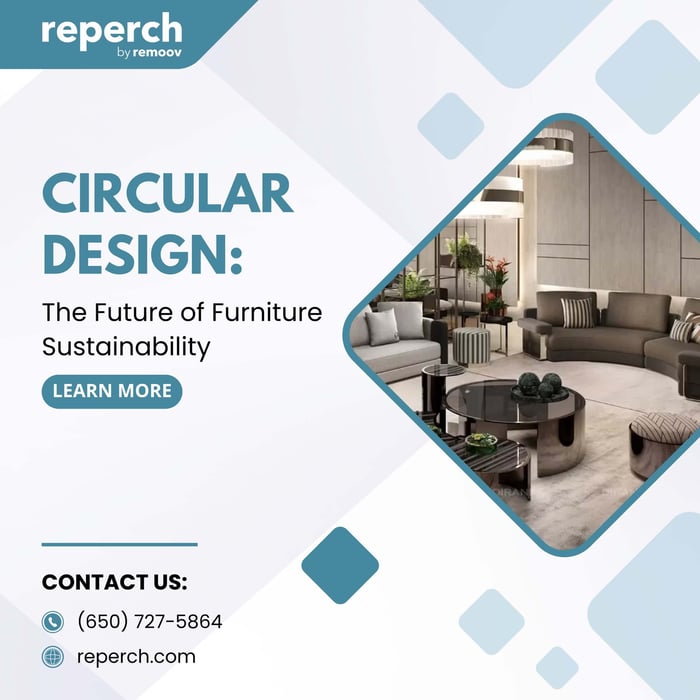
Circular design is changing that story. It reimagines how furniture is created, used, and reused, ensuring that what we build today becomes the resource for tomorrow. For homeowners, designers, and conscious consumers, this shift represents a smarter, more sustainable way to live and decorate.
What Is Circular Design
Circular design is an approach that closes the loop between production and waste. Instead of following the traditional take, make, and throw away model, circular design focuses on keeping materials in use for as long as possible.
In practice, that means creating furniture that is durable, repairable, and recyclable. Every part of the process, from material sourcing to end-of-life use, is designed with longevity and regeneration in mind. This concept helps eliminate waste and reduces pressure on natural resources while still delivering high-quality, beautiful pieces.
How Circular Design Differs from Traditional Design
Traditional furniture production is linear. Materials are extracted, transformed into products, used for a few years, and then discarded. Circular design takes the opposite approach by extending every product’s lifespan.
Key differences include:
Sustainable Materials: Furniture is made from renewable or recycled materials such as reclaimed wood, bamboo, or metal.
Design for Repair and Reuse: Every piece is built to be fixed, reused, or disassembled easily.
Eco-Friendly Manufacturing: Energy-efficient production methods and minimal waste are prioritized.
Lifecycle Planning: The end-of-life phase is considered before a product even exists.
This system allows beauty and sustainability to coexist. Instead of chasing trends, circular furniture focuses on longevity and value.
Why Circular Design Matters in Furniture
Furniture waste is a growing global problem. Fast furniture brands produce inexpensive items that last only a few years, leading to billions of pounds of discarded furniture each year. In the United States alone, more than 12 million tons of furniture waste are generated annually.
Circular design helps solve this crisis. By designing furniture that can be repaired, reused, or recycled, it reduces landfill waste and minimizes the need for raw material extraction. The benefits go beyond environmental protection; they also extend to energy conservation, cost savings, and improved indoor air quality through non-toxic materials.
When you buy a circularly designed piece, you are choosing quality and responsibility at the same time.
Core Principles of Circular Furniture Design
To make circular design practical, designers and manufacturers follow key principles that keep materials in circulation and extend product life.
1. Design for Longevity
Durability is the foundation of circular design. Furniture should be built to withstand years of use, both structurally and stylistically. Using solid craftsmanship and classic design ensures that each piece remains functional and appealing over time.
2. Design for Disassembly
A true circular product can be easily taken apart. Components such as cushions, frames, and panels should be removable so they can be repaired, replaced, or recycled without waste.
3. Use Sustainable Materials
Circular furniture avoids non-renewable resources and instead uses recycled, reclaimed, or biodegradable materials. Solid wood, metal, natural textiles, and non-toxic finishes are preferred over synthetic or chemically treated alternatives.
4. Regenerate and Recycle
The goal is to ensure materials can be returned to the ecosystem or reintroduced into manufacturing safely. Recycled materials should maintain high quality so they can be reused multiple times without degradation.
5. Emotional Connection
A less-discussed but equally important principle is emotional durability. People are more likely to repair and keep furniture that has meaning. A vintage dining table with a story or a handcrafted chair passed down through generations is far more likely to last than a mass-produced item.
Examples of Circular Design in Action
Circular design has already made its mark in the furniture world through innovative concepts and real-life applications.
Reclaimed Wood Furniture
Reclaimed wood is one of the best examples of circular design. Old barn timber, shipping crates, and urban demolition materials are given new life as modern furniture. Each piece carries its own history, texture, and character, reducing the need for fresh lumber and minimizing deforestation.
Modular Sofas and Shelving
Modular furniture systems allow parts to be replaced or rearranged without discarding the entire unit. A modular sofa, for example, can have new arms, cushions, or legs added over time, extending its lifespan and reducing waste.
Upcycled Industrial Materials
Designers are increasingly repurposing industrial waste such as steel pipes, factory wood offcuts, or glass panels into unique home décor pieces. This approach transforms discarded materials into one-of-a-kind designs that combine sustainability with style.
Pre-Owned and Refurbished Furniture
Buying pre-owned furniture is one of the easiest ways to participate in circular design. Marketplaces like Reperch make it possible to find durable, high-quality furniture that has already proven its worth. Each purchase reduces demand for new manufacturing and gives old pieces new purpose.
The Role of Technology in Circular Furniture Design
Innovation plays a vital role in making circular systems efficient and scalable. Designers and manufacturers are now using technology to track materials, optimize production, and make recycling easier.
Digital Material Tracking: Modern systems identify where materials come from and how they can be reused later.
AI Design Tools: Designers use artificial intelligence to simulate product durability and recyclability before production begins.
3D Printing and Customization: 3D printing allows on-demand production using recycled materials, eliminating excess inventory and waste.
Online Resale Platforms: Websites like Reperch connect buyers and sellers to extend product lifecycles and reduce disposal.
Technology ensures transparency, efficiency, and long-term environmental responsibility in the furniture industry.
Economic and Environmental Benefits
Circular design supports a balance between economy and ecology. It turns waste into opportunity while maintaining value for consumers and creators alike.
Environmental Advantages
Reduces landfill waste and pollution.
Decreases carbon emissions during production.
Encourages the use of renewable materials.
Conserves forests and natural resources.
Economic Advantages
Encourages investment in craftsmanship and repair industries.
Reduces manufacturing costs through reuse and recycling.
Saves consumers money over time with durable furniture.
Creates jobs in restoration, logistics, and resale markets.
By thinking circularly, businesses and consumers can enjoy sustainable growth while protecting the planet.
How Consumers Can Support Circular Design
Everyone can be part of the circular movement. Whether you are furnishing a new home or updating your style, these actions make a difference.
Buy Pre-Owned Furniture: Choose secondhand or vintage pieces from trusted marketplaces like Reperch.
Repair Instead of Replace: Fix damaged items or reupholster chairs instead of discarding them.
Shop for Quality: Invest in solid materials and classic designs that age well.
Recycle Responsibly: When you no longer need an item, donate or sell it rather than sending it to the landfill.
Ask About Materials: Support brands that use FSC-certified wood, natural fabrics, or recyclable metals.
Circular living is about being intentional, choosing items that serve both your needs and the planet’s.
The Future of Circular Design
Circular furniture is more than a passing trend; it represents the future of how we live and consume. As awareness grows, more designers, manufacturers, and governments are adopting circular principles.
We can expect to see furniture that
Is made from fully renewable or biodegradable materials.
Uses modular designs for lifetime flexibility.
Comes with digital product passports to trace origin and recyclability.
Supports local craftsmanship and repair programs.
At the same time, resale and refurbishment markets are expanding quickly, creating a stronger ecosystem for sustainable living. Circular design is not only reshaping furniture production but also redefining what modern homeownership means: thoughtful, resourceful, and environmentally conscious.
Conclusion: Creating Homes That Last
Circular design gives furniture a future instead of an expiration date. It promotes creativity, craftsmanship, and responsibility all at once. By rethinking how products are made and reused, we can build homes that reflect care for both people and the planet.
At Reperch, this philosophy guides everything we do. Every pre-owned item in our marketplace has a story worth continuing. When you choose secondhand, upcycled, or refurbished furniture, you help close the loop and make sustainable living part of everyday life.
Choose quality. Choose longevity. Choose a circular design.